
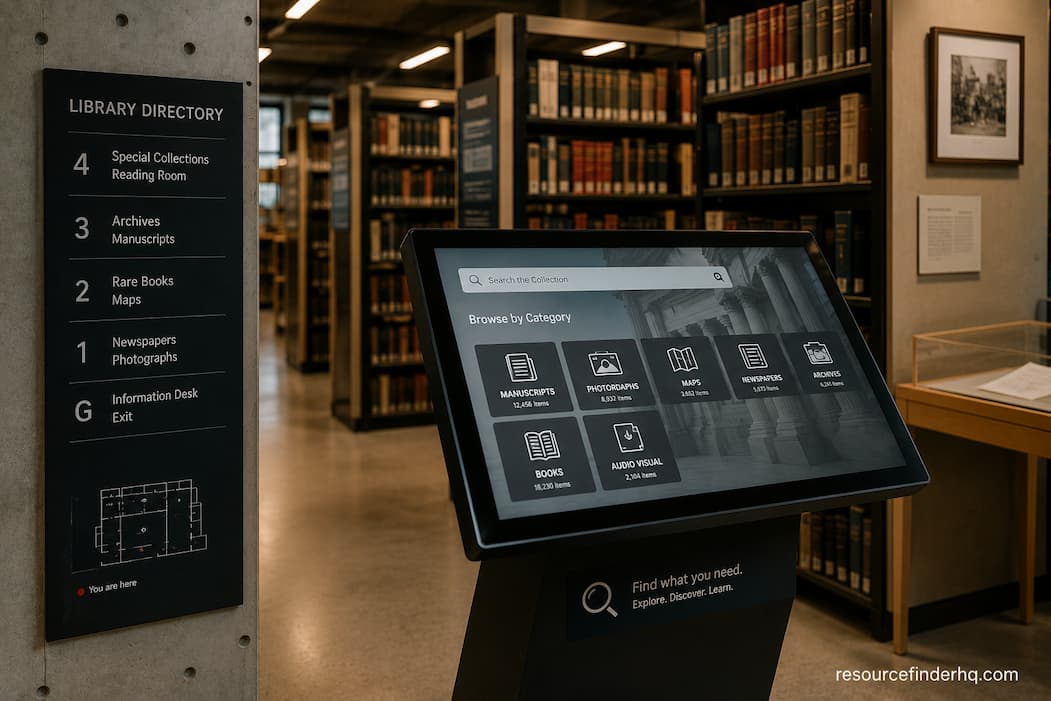
Digital storage is frequently considered the biggest computing difficulty. Devices can store millions of documents, photos, chats, movies, and records, and cloud systems keep adding storage without consumers noticing. But storing data is only half the issue. A document that cannot be found when needed may not exist. Real value comes from retrieving knowledge fast, precisely, and with enough context to utilize again.
Nearly every digital environment faces this difficulty. Businesses save years of operational data, hospitals keep patient histories, institutions keep research materials, and people keep endless personal files on multiple devices. As collections increase, greater storage no longer boosts productivity. Organizations focus more on systems that organize, classify, index, and retrieve data, turning massive data sets into useful resources.
Finding Information Goes Beyond Saving It
A file is usually easy to create. It can be harder to find months or years later, especially if the person just remembers bits or forgets where it was saved. This is why current information systems use more than folders and filenames. Metadata, indexing, classification, timestamps, rights, keywords, and document linkages all make information discoverable. These supporting structures rarely get the same attention as the content, yet they typically influence whether valuable information may be recovered in seconds or buried in thousands of unrelated entries.
Organization becomes more important when digital collections develop faster than information. Because retrieval depends on structure as much as volume, a thousand well-organized papers may be easier to maintain than 100 badly classified ones.
Search Systems Need Preparation
Entering a term into a search box is straightforward, but significant results rarely come from examining every stored document at once. However, many systems plan for future searches before users start searching.
During this preparation, systems usually create indexes that summarize stored data. The system uses these specialized indexes to quickly find plausible matches before retrieving the source files instead of opening every file.
The benefit grows with larger collections. Directly searching a few dozen files is possible, but millions of papers would take too long. Indexes lessen that strain by arranging information for efficient retrieval rather than file storage.
Elements that Aid Information Retrieval
Information systems use multiple organizing techniques to promote discoverability.
- File titles and descriptions.
- Record-specific metadata.
- Check indexes.
- Classifications.
- Modification and creation dates.
- Keywords and tags.
- Document-related relationships.
While consumers may mostly use a search bar, these supporting elements frequently make the search experience more beneficial.
Value of Context Can Outweigh Information
Retrieval involves more than finding the right document. Users need context to understand why that information is important and how it relates to other records.
Imagine finding a financial report from years ago without knowing whose department developed it, if it’s the final version, or which business decisions relied on it. The document may be accurate, but contextual information is missing, reducing its usefulness.
Thus, modern information management goes beyond file storage. Systems increasingly preserve record linkages, version histories, authors, approval processes, and project or workflow associations. These linkages make isolated information valuable over time.
Strategies for Retrieving Information Vary
Different information is searched differently. Someone looking for a snapshot may remember the location, whereas someone seeking for a legal contract may remember the client’s name or the year it was signed. Technical documents can be found using keywords, whereas inventory data use structured reference numbers.
Modern retrieval systems rarely use a single organization method because search behavior varies by environment. They provide various paths so users can approach the same content from different angles based on what they recall.
This flexibility is crucial in large organizations where employees from different departments may search for identical records using different terms. Information systems let consumers find valuable content regardless of their search approach by enabling numerous classification and indexing methods.
Information Retrieval Depends on Permissions
Search systems don’t aim to find everything. In most professional settings, it must also decide who can see its findings. Due to differences in roles, departments, and security restrictions, two employees looking for the same word may get different results.
This access-aware strategy safeguards sensitive data while letting authorized users operate effectively. Human resources data, financial reports, engineering paperwork, legal contracts, and customer information are commonly within the same organization but rarely meant for all employees. Search systems integrate retrieval and access constraints to maintain secrecy while assuring discoverability.
The principle extends beyond corporations. Permission-aware search balances accessibility and information security in education, healthcare, government, and cloud collaboration platforms.
Lifelong Information Changes
Digital records are often thought of as permanent. Often, information evolves continuously. Reports, regulations, manuals, and collaborative publications undergo several edits before being finalized.
Without a disciplined way to handle changes, retrieval becomes confusing. Users may find outdated, duplicate, or incomplete drafts without knowing which to utilize. Therefore, modern information systems prioritize version control together with storage and indexing.
Many platforms save a revision history instead of replacing outdated content. This lets organizations track information changes and keep current versions easy to identify. Keeping this historical record can be as critical as maintaining the latest document for industries with regulatory or auditing needs.
Common Ways Information Is Organized
Different retrieval methods often work together rather than replacing one another.
| Organization Method | Primary Purpose |
|---|---|
| Folder structures | Group related files logically. |
| Metadata | Describe information beyond its filename. |
| Search indexes | Enable fast retrieval across large collections. |
| Tags and labels | Connect related content from different locations. |
| Categories | Organize information by subject or function. |
| Version history | Preserve previous revisions for reference. |
Using several methods simultaneously gives users multiple ways to locate the same information depending on what they remember.
Retrieval Improves When Systems Understand Relationships
Modern information platforms realize papers rarely exist alone. Purchase orders may include invoices, supplier details, shipment information, and approval documentation. A research paper may reference datasets, lab notes, citations, and previous publications. Finding one object is often easier when the surrounding content is accessible.
Relationships are valued alongside storage on many digital platforms. They employ connected records to show how information fits into a process or project rather than displaying standalone search results. This relationship-based strategy saves time searching for supporting papers. After finding one relevant item, the algorithm may typically suggest related resources, making retrieval faster without extra searches.
Search Quality Depends on Prep
Work done before a query frequently leads to good search results.
- After storage, data is indexed.
- Recorded and updated metadata.
- Categories are consistent.
- Record relationships are retained.
- Permissions are assessed during retrieval.
- As data changes, search indexes refresh.
These continuing actions assure correct retrieval as collections grow.
AI Aids Retrieval but Not Organization
Modern AI has transformed how individuals use digital information. Many systems can now interpret natural language questions, recognize related concepts, and rank results by relevance instead of keywords.
Even with these gains, AI does not replace organized data. Intelligent search systems have less reliable data if records are incomplete, poorly categorized, duplicated, or missing context. Effective retrieval requires accurate indexing, well-maintained metadata, and consistent information management. AI enhances traditional organization. When data is organized well, intelligent algorithms can better interpret and connect it, improving search experiences.
Information is Valuable When Discoverable
Digital storage is cheap and abundant, but information is only useful if people can find it when needed. Search indexes, metadata, organized structures, access controls, version management, and record linkages transform data into knowledge.
As firms generate more digital data, retrieval will become as crucial as storage. Secretly organizing, classifying, and connecting information keeps valuable records accessible years after they were created, allowing knowledge to support decisions, collaboration, and daily work instead of disappearing into an ever-growing archive.
FAQs
1. Why do search indexes matter?
Systems can quickly find relevant information using search indexes instead of searching every stored document. This greatly increases performance, especially with huge collections.
2. Are metadata and content the same?
Metadata describes, not replaces, material. File author, creation date, document type, keywords, and category are examples.
3. Why are search results sometimes different for two users?
Access permissions are often applied during retrieval. Even with same search criteria, users only see allowed information.
4. Are systems more useful when they store more data?
Not necessarily. As collections increase, organizing, indexing, metadata, and retrieval become crucial. Large amounts of poorly maintained data are harder to use than smaller, ordered collections.