Understanding the Systems Behind Everyday Technology
Digital products often look simple from the outside. A payment takes a few seconds,
a file opens with a click, a website responds to a request, and a device connects
without much thought about what happens underneath.
ResourceFinderHQ looks at the systems behind those everyday interactions.
We research and explain the infrastructure, standards, information systems, and
payment technologies that make modern digital services work. The aim is not to make
technical subjects sound complicated. It is to show how the different pieces fit
together, where they matter, and why seemingly small technical decisions can have
consequences across larger systems.
Explore The Areas We Cover
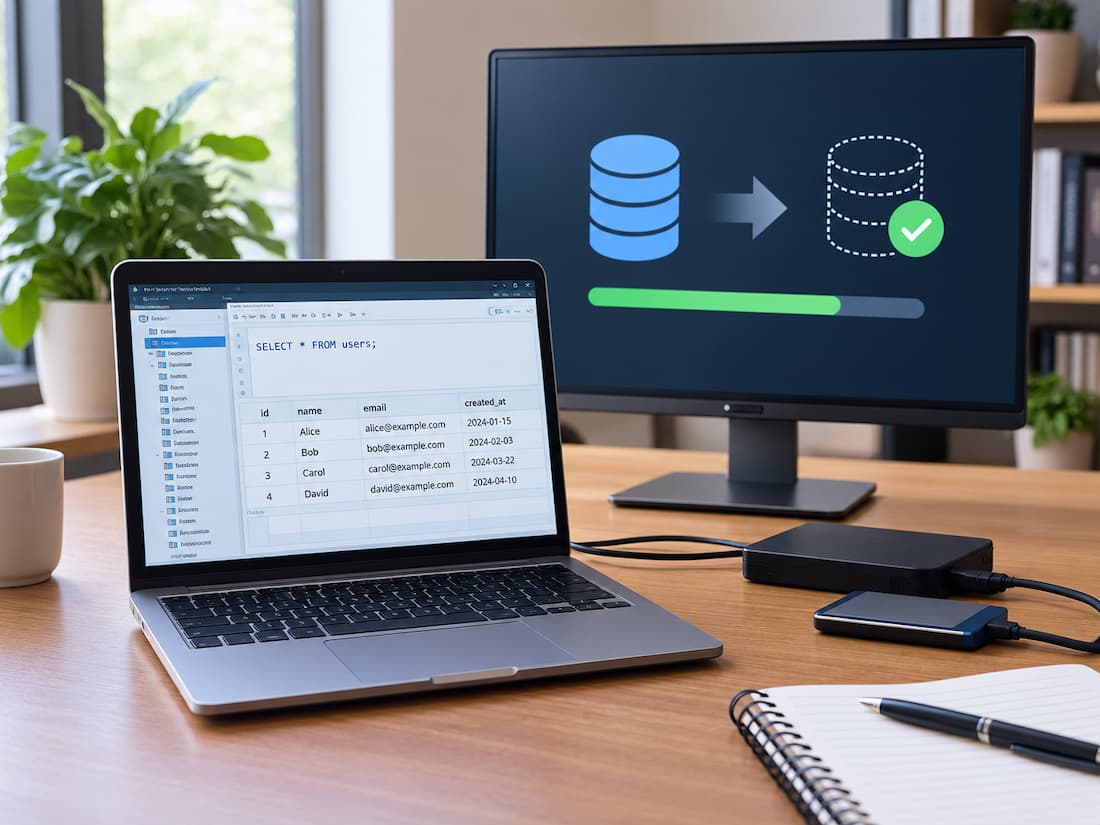
Information Systems
Information becomes useful only when it can be organized, connected, retrieved,
and understood. Our Information Systems resources examine the structures and
processes used to manage information across digital environments.
Digital Infrastructure
Websites, connected devices, cloud services, background processes, and
distributed platforms depend on layers of infrastructure working together.
We look at those layers and explain what happens behind the interfaces people
normally see.
Payment Technology
A card payment or digital wallet transaction involves considerably more than
the moment a customer taps, inserts, or enters payment details. Our Payment
Technology resources examine the systems, participants, security methods,
and processes involved in moving and settling payments.
Explore Payment Technology →
Standards & Protocols
Digital systems work together because they follow shared rules. From USB and
Bluetooth to HTTP, Unicode, PDF, NFC, and other standards, this section
examines the specifications and conventions that help different systems
communicate and exchange information.
Explore Standards & Protocols →
Selected Resources
Some of the systems discussed on ResourceFinderHQ are easy to overlook precisely
because they normally work without attracting attention.
Following A Card Payment Through Seven Different Systems
A card payment appears to happen between a customer and a merchant, but several
systems can be involved before the transaction reaches its final stage. This
guide follows that process and explains the role of the different participants
along the way.
Read The Guide →
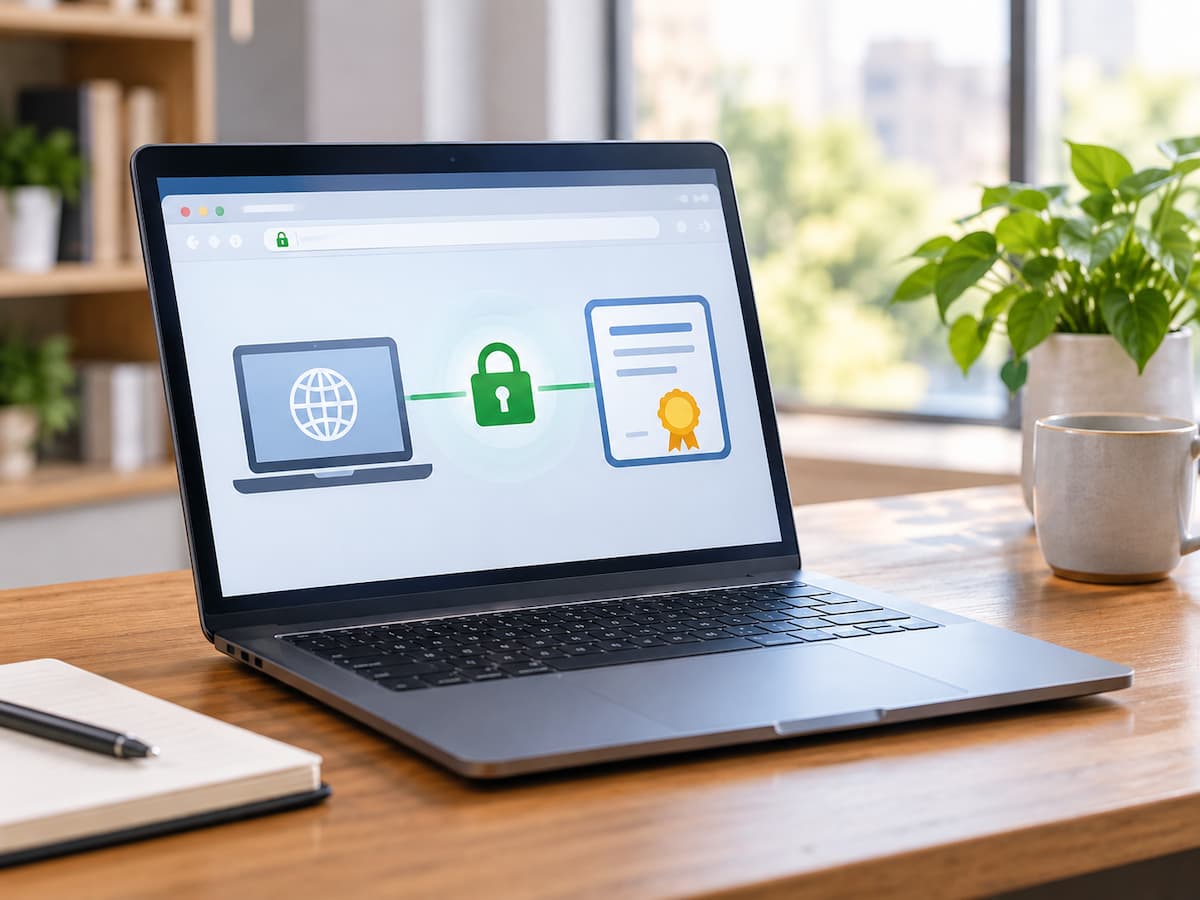
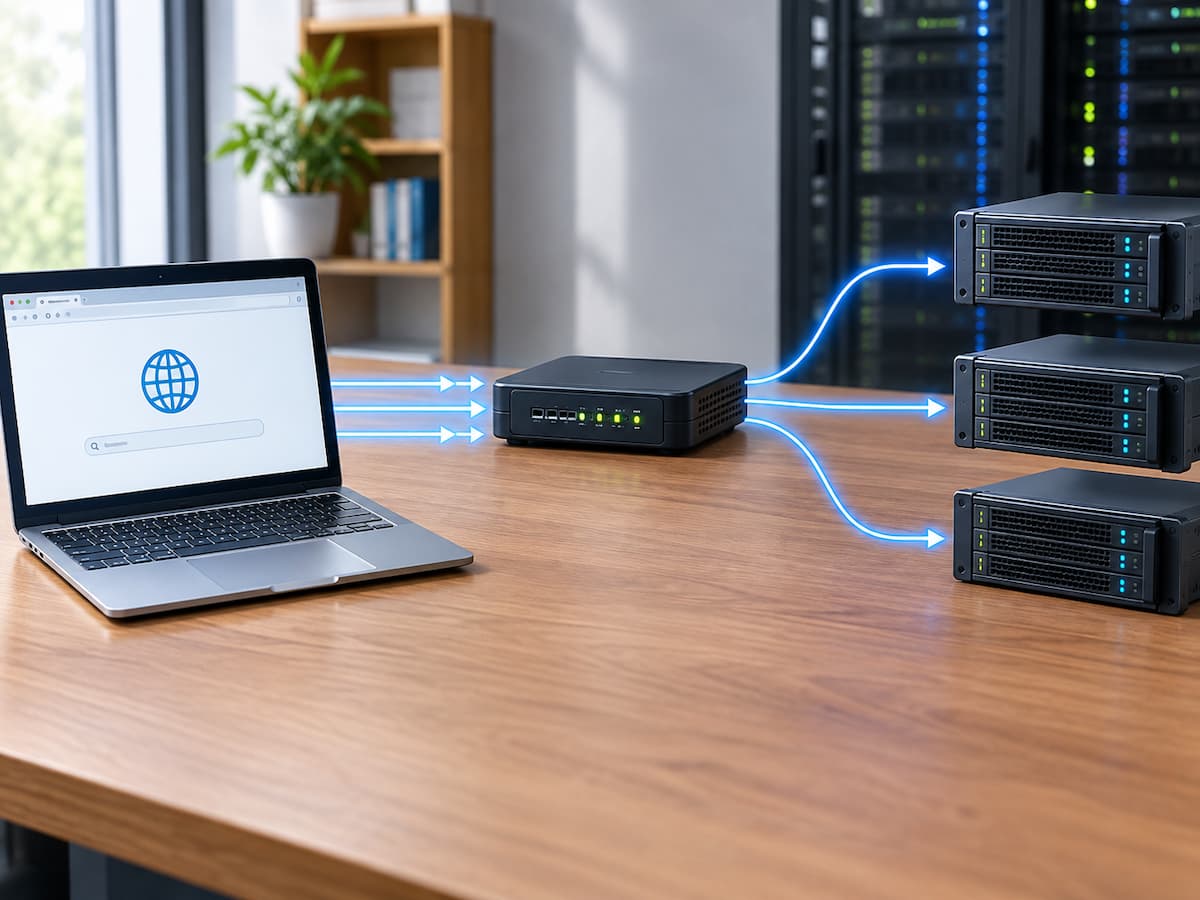
Every Website Request Travels Through More Systems Than One Web Server
Loading a webpage is not simply a matter of one computer sending information to
another. DNS, networks, servers, security layers, caching systems, and other
infrastructure can all influence what happens between a request and the page
appearing in a browser.
Read The Guide →
Time Synchronization Keeps Distributed Digital Systems Working Together
Modern systems often operate across multiple machines and locations. Accurate
time helps those systems record events, coordinate processes, interpret logs,
and make sense of activity that occurs across different parts of an
infrastructure.
Read The Guide →
Chargebacks Explained: What Happens After A Card Payment Is Disputed
A disputed card transaction can move through several stages involving the
customer, merchant, payment providers, and financial institutions. Understanding
that process makes it easier to see what happens after a charge is formally
challenged.
Read The Guide →
Latest Resources
ResourceFinderHQ continues to examine the technical systems and standards that sit
behind familiar digital experiences.
Why These Systems Deserve Closer Attention
Many digital systems are designed to remain in the background. Users generally do
not need to think about routing decisions when making a payment, metadata when
organizing a document, synchronization when using multiple devices, or protocols
when connecting one device to another.
Understanding those systems becomes useful when something changes, fails, scales,
or needs to work with something else.
That is the focus of ResourceFinderHQ.
Rather than treating technology as a collection of isolated products, our research
looks at the relationships between systems. A payment gateway connects to other
parts of a transaction. A file format affects compatibility and long-term access.
A network request passes through several layers before reaching its destination.
A classification system can determine whether information remains useful as an
The archive grows.
These connections often reveal the most important details.
How We Approach Our Research
ResourceFinderHQ aims to make technical subjects understandable without stripping
away the details that make them meaningful.
Our articles are developed around a specific subject or system and are organized
to explain how it works, where it fits, and why it matters. We use technical
terminology where it is necessary, but explain it in context rather than assuming
that readers already know every underlying concept.
We also distinguish between established standards, common industry practices,
system components, and the practical effects that users may encounter. Where a
subject involves several connected systems, the explanation follows those
relationships instead of treating each component as an isolated fact.
For more information about how our articles are researched and prepared, see our
Research & Content Process
.
Read Our Research Process →
About ResourceFinderHQ
ResourceFinderHQ is an independent technology resource focused on the systems
that support modern digital services.
Our coverage brings together four connected areas: information systems, digital
infrastructure, payment technology, and technical standards and protocols.
The publication is written for readers who want to understand what happens behind
familiar digital experiences without having to work through unnecessarily
complicated explanations.
A Note From The Editorial Team
Good technical information should do more than define a term.
It should help a reader understand how something works, how different components
relate to one another, and why the subject matters outside of a textbook definition.
That principle guides the way we develop resources for ResourceFinderHQ.
— Sarah Bennett, Technology Writer