Chargebacks Explain What Happens After a Card Payment Is Disputed
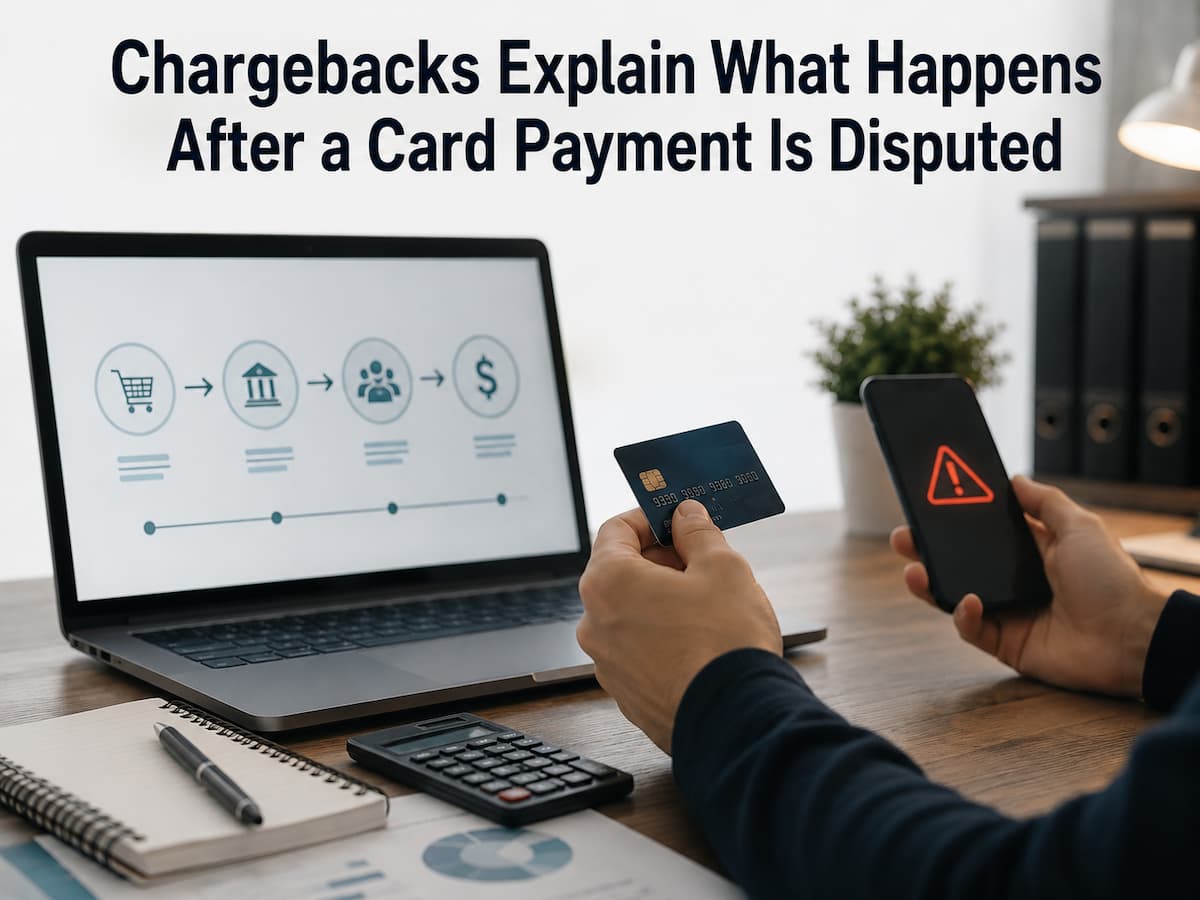
Credit card payments may appear to have been processed, but transactions can still be subject to investigation. For example, customers might discover that payment failed, orders were never shipped, a charge was applied twice, or they suspect the merchant failed to deliver the purchased goods. In such cases, cardholders can contact their bank to request … Read more
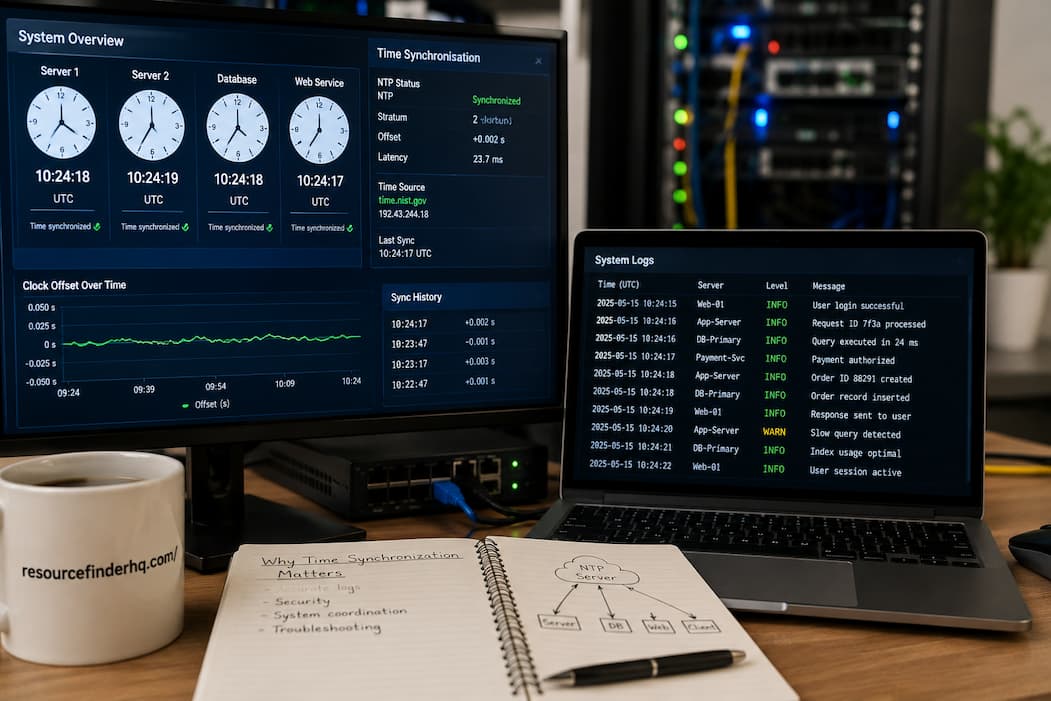
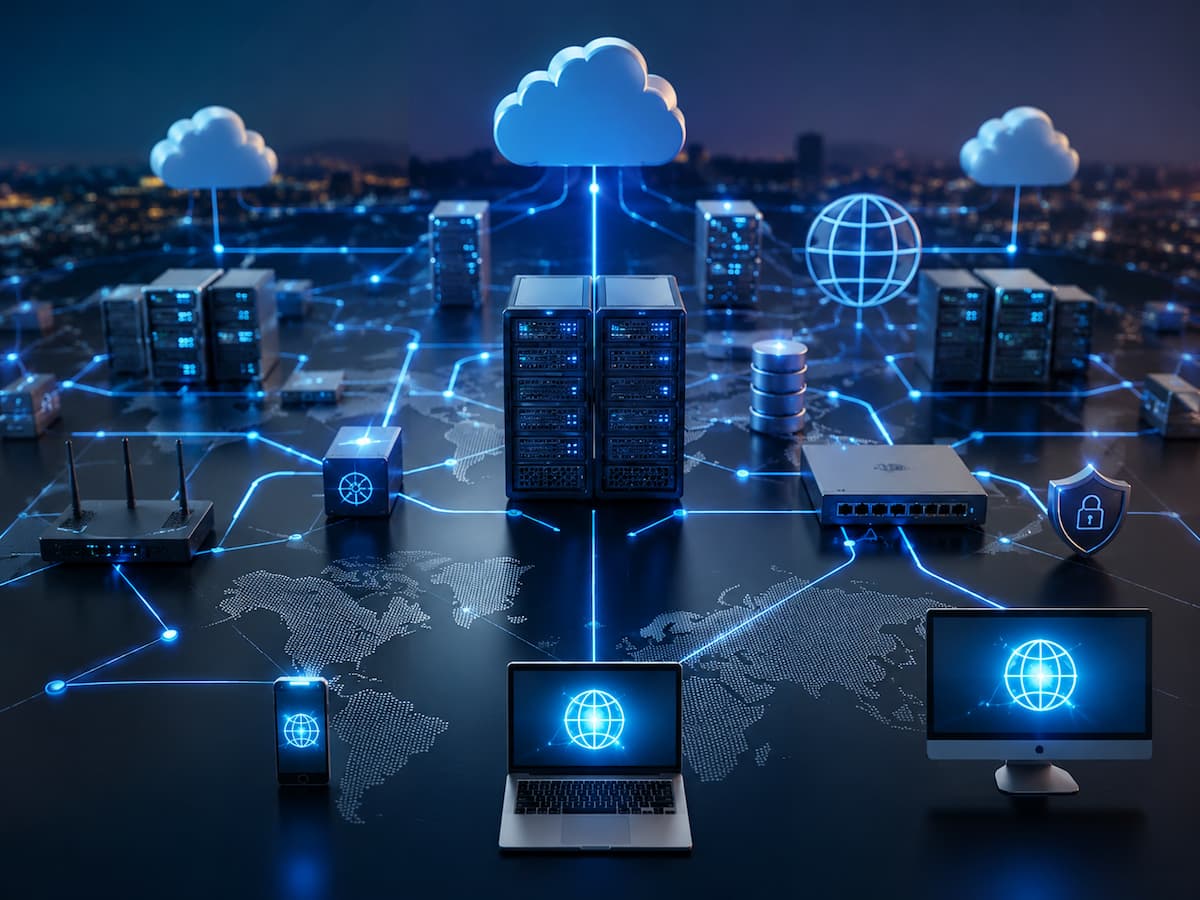
Time Synchronization Keeps Distributed Digital Systems Working Together

Modern digital systems rarely operate from a single computer. A typical service may have application servers in several locations, databases running on separate machines, cloud infrastructure spread across regions, employee devices connecting from different networks, and security systems recording activity independently. All of those components need some understanding of when things happen. That is where … Read more

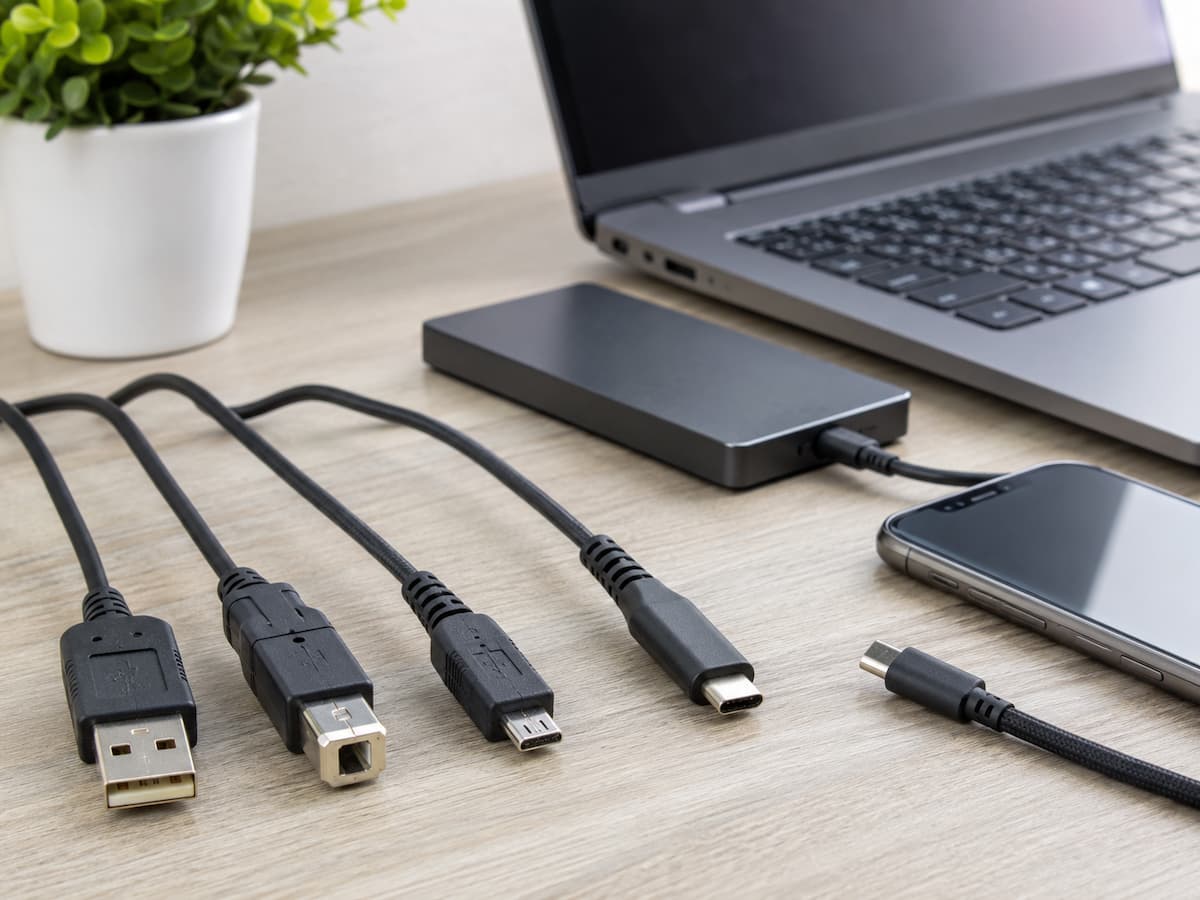
USB Continued Evolving Long After Replacing Older Connectors

Printers, keyboards, mice, scanners, storage devices, and other accessories all required multiple interfaces, which was inconvenient and precisely the reason why USB became so popular. Users can connect various devices via a single interface without having to use separate ports. However, after USB had replaced many earlier interfaces, it continued to evolve. It has become … Read more

Information Quality Determines Every Decision Built on Data

Information gathering is a priority for many companies. New software records consumer interactions, connected devices create operational data, cloud platforms store years of corporate records, and analytics tools process millions of transactions daily. With so much knowledge, better judgments seem inevitable. Decision quality seldom depends on data quantity. When someone relies on such information, accuracy, … Read more

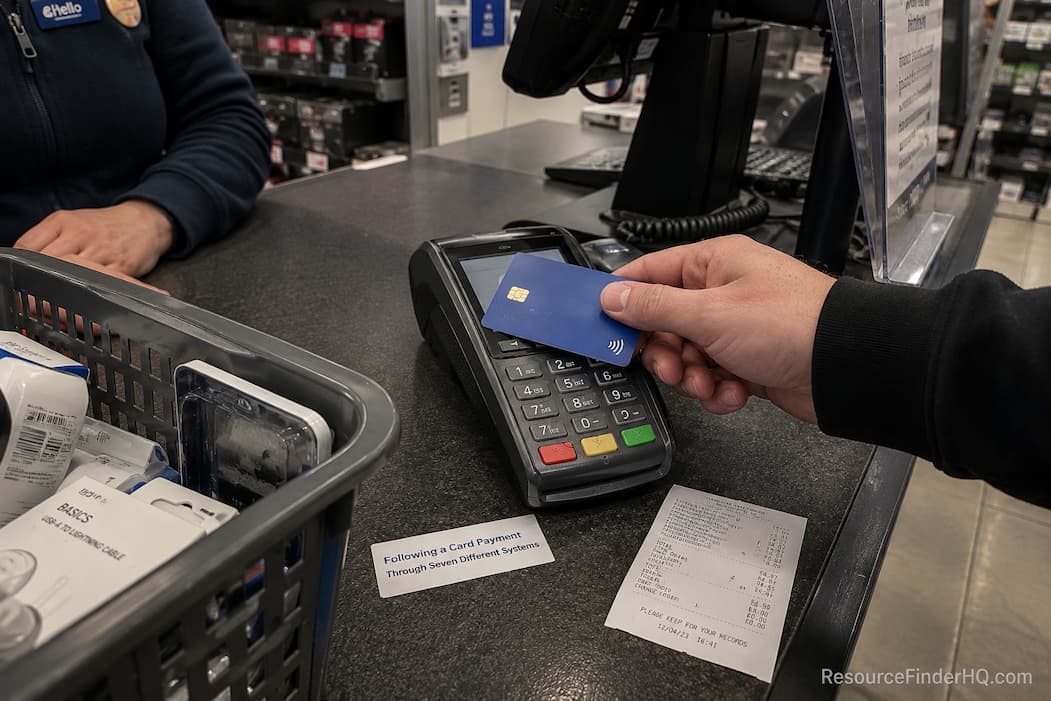
Following a Card Payment Through Seven Different Systems

Customers tap their debit card against the payment terminal, hear a confirmation tone, and leave with their receipt in less than two seconds. For most, the transaction ends there. But in reality, this is merely the first step in a long journey. Behind that simple tap or card insertion, countless independent systems exchange encrypted information, … Read more

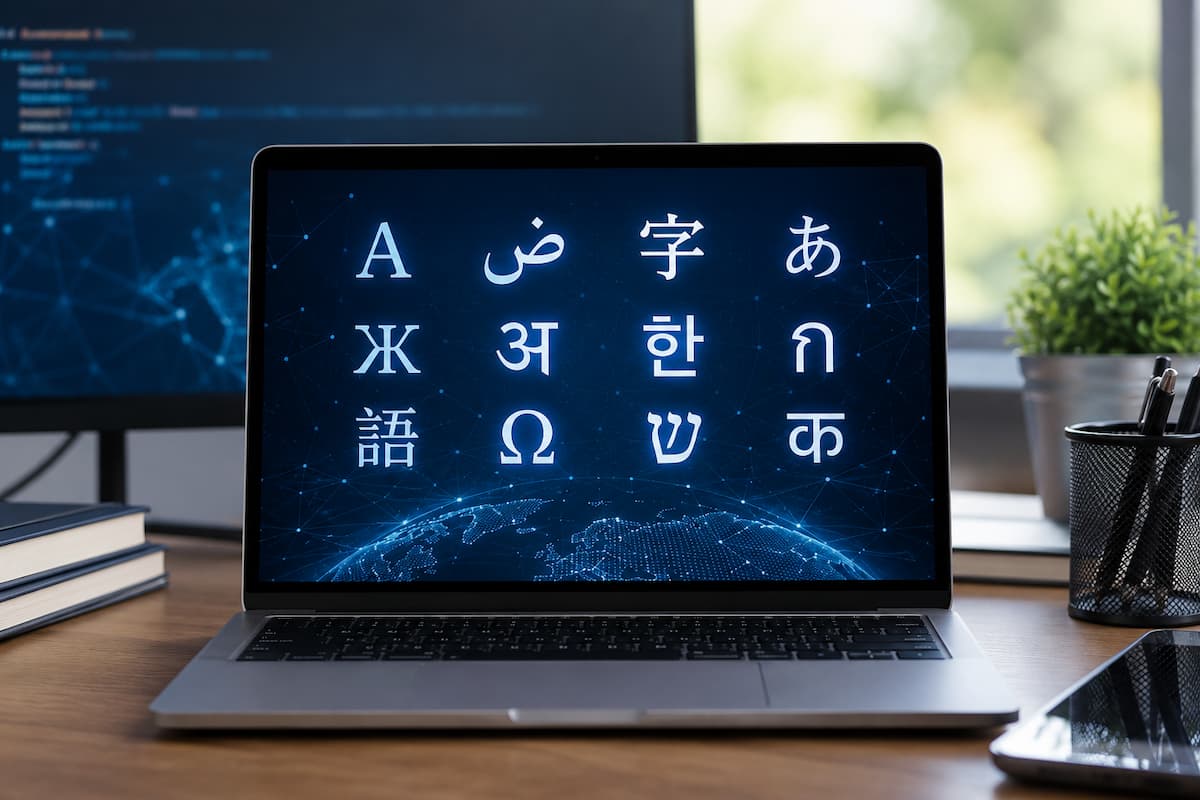
Unicode Created a Common Language for Global Computing

Computers made direct global communication possible, but that was not always easy. Early computer systems used various methods to display printed characters. A document generated on one computer could be displayed perfectly on another, become illegible, or even lose crucial elements. This problem became more complex as computers spread beyond English-speaking countries. Unicode solved this … Read more

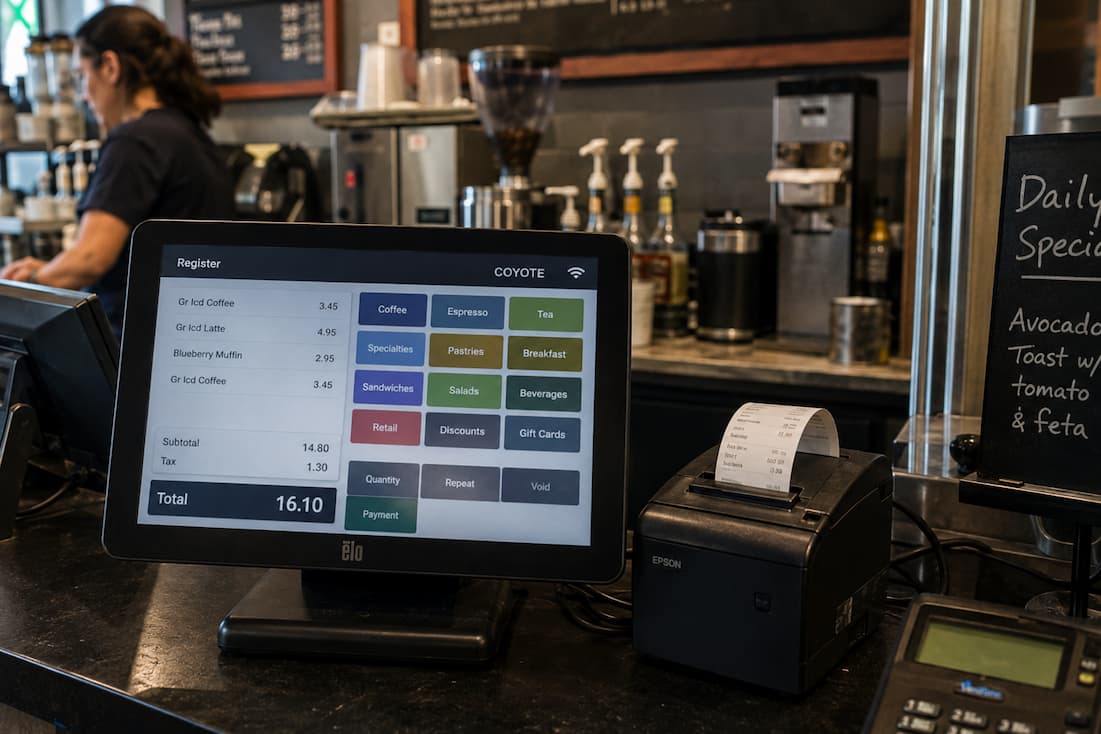
Point-of-Sale Systems Have Become Connected Financial Platforms

In the past, point-of-sale (POS) systems had an obvious function: calculating product prices, collecting payments, and printing receipts. Whether customers paid with cash or card, the system was typically just the final step in a retail transaction. Once the transaction was complete, it was no longer needed. Today’s POS systems are entirely different. Many retail … Read more

Retrieval Systems Matter More Than Storage Capacity

The quantity of data current technology can hold is impressive. Private computers store terabytes of data, cloud platforms extend storage on demand, and enterprise systems store decades-old information. As storage has gotten cheaper, many firms have prioritized data collection over utilization. An archive that cannot quickly produce the right document is useless, no matter how … Read more

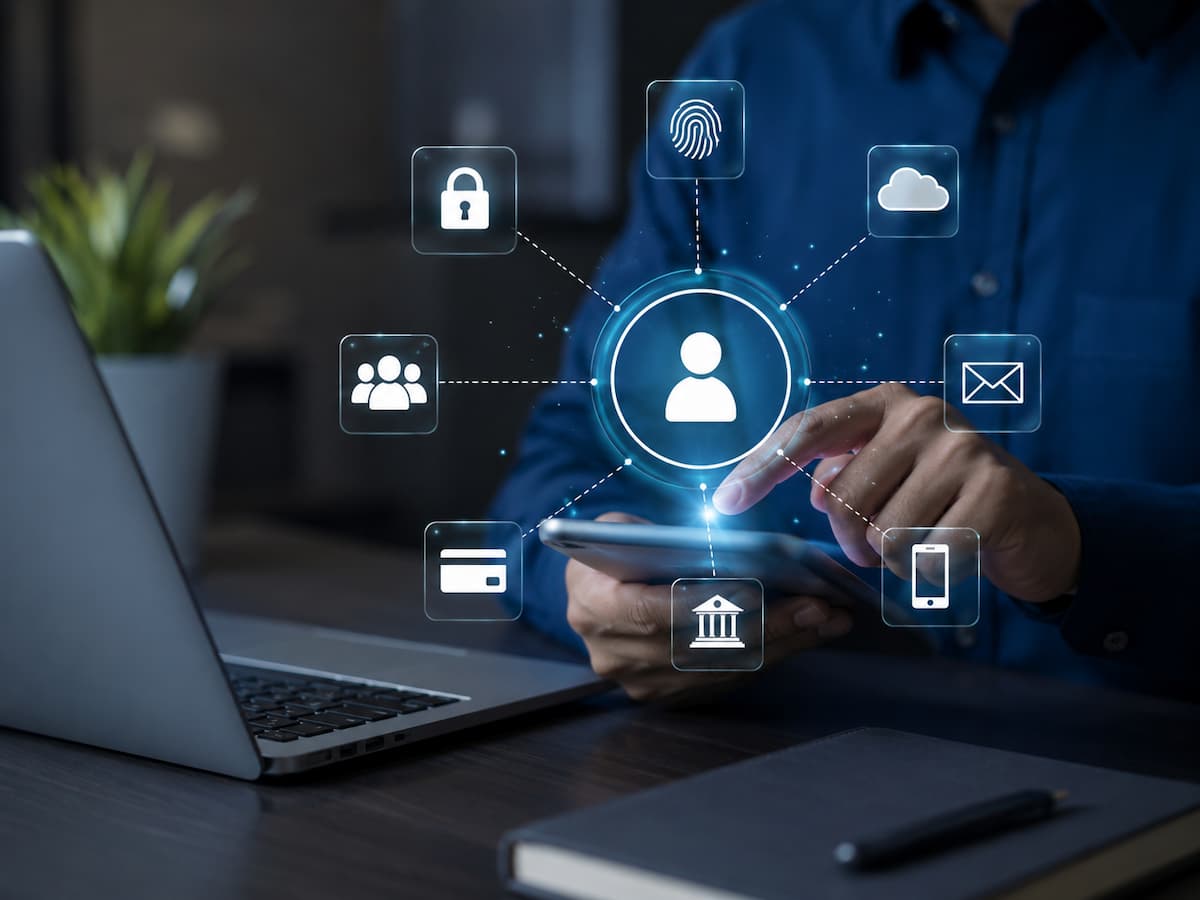
Identity Services That Quietly Connect Modern Digital Platforms

Despite its prevalence, we often overlook the time immediately preceding nearly every digital encounter. In this scenario, the user launches the app, inputs their email address, uses their fingerprint to log in, and then presses Proceed with Google, authorizes a passkey, or is instantly identified without entering a word. The user gains access and continues … Read more