How Data Retention Rules Determine When Business Records Should Be Deleted

A business may keep customer invoices, signed contracts, support emails, and system logs for years without reviewing whether they still need them. At the same time, another department might delete an important record shortly after a project ends, only to discover that the information is needed for an audit, a customer dispute, or a financial … Read more

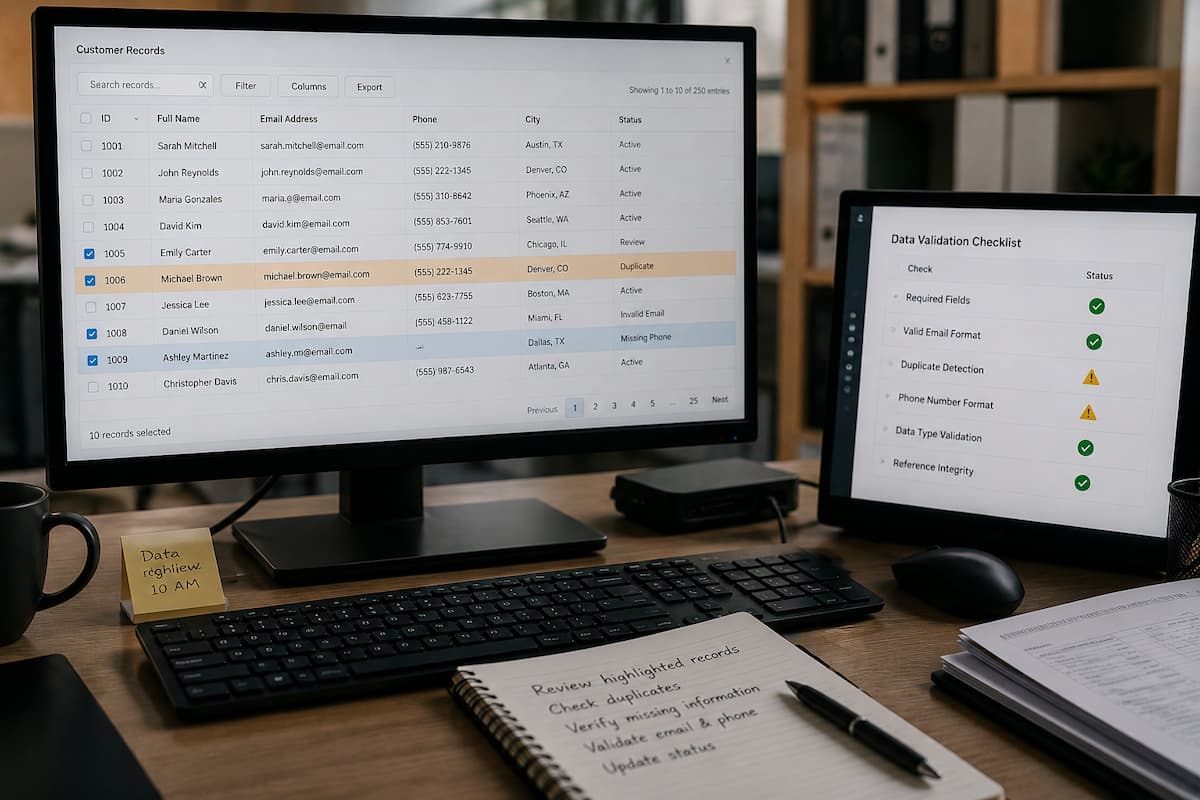
Data Validation Keeps Information Systems From Filling With Bad Records

The quality of an information system depends on the quality of the information stored within it. Customer databases, inventory systems, employee portals, payment platforms, and reporting tools process thousands of records daily. However, if records contain missing values, incorrect numbers, duplicate identifiers, or inaccurate information, problems can quickly escalate. For instance, an inventory system might … Read more

Information Quality Determines Every Decision Built on Data

Information gathering is a priority for many companies. New software records consumer interactions, connected devices create operational data, cloud platforms store years of corporate records, and analytics tools process millions of transactions daily. With so much knowledge, better judgments seem inevitable. Decision quality seldom depends on data quantity. When someone relies on such information, accuracy, … Read more

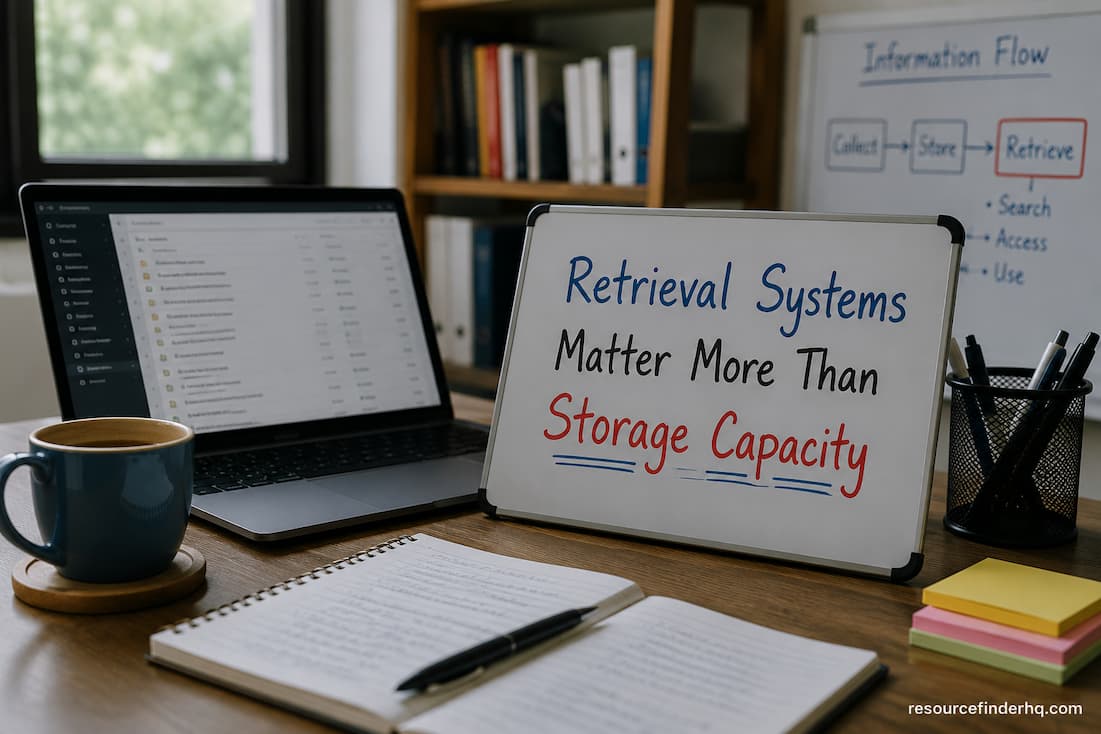
Retrieval Systems Matter More Than Storage Capacity

The quantity of data current technology can hold is impressive. Private computers store terabytes of data, cloud platforms extend storage on demand, and enterprise systems store decades-old information. As storage has gotten cheaper, many firms have prioritized data collection over utilization. An archive that cannot quickly produce the right document is useless, no matter how … Read more

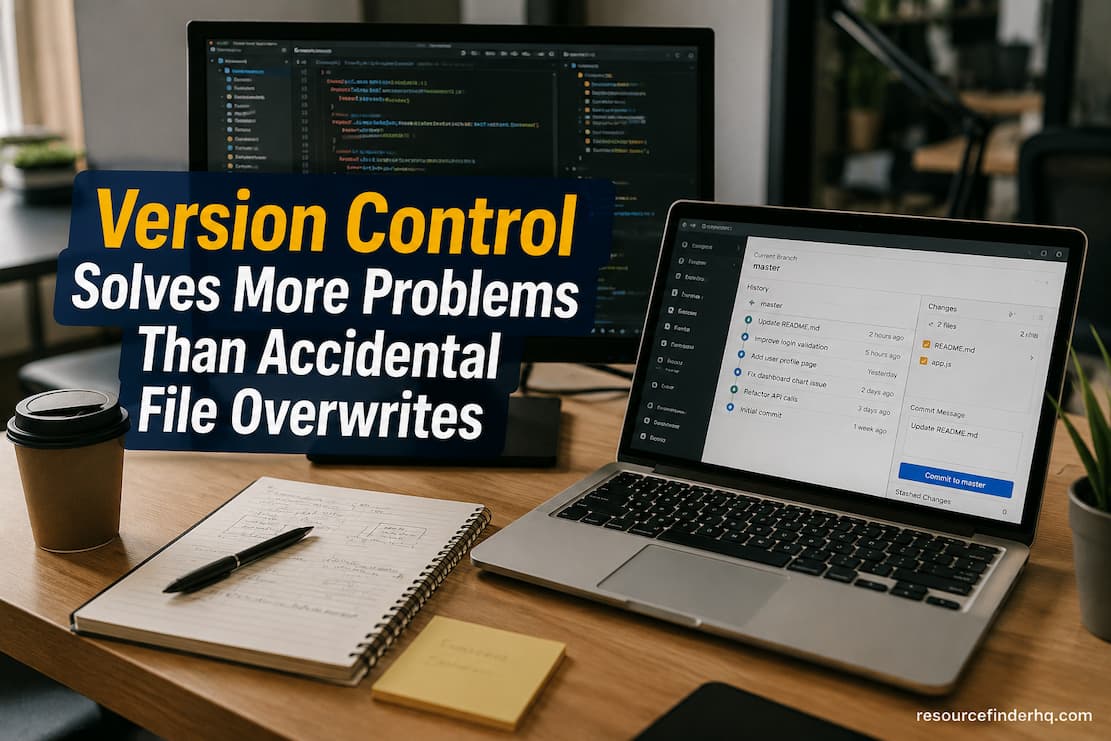
Version Control Solves More Problems Than Accidental File Overwrites

When you open almost any long-running project, you’ll quickly notice a pattern: there are often several files next to each other with names that are very similar. The words “Draft,” “Final,” “Final Revised,” “Final v2,” and “Final Latest” often mean weeks or months of work, but their names don’t really tell you which document you … Read more

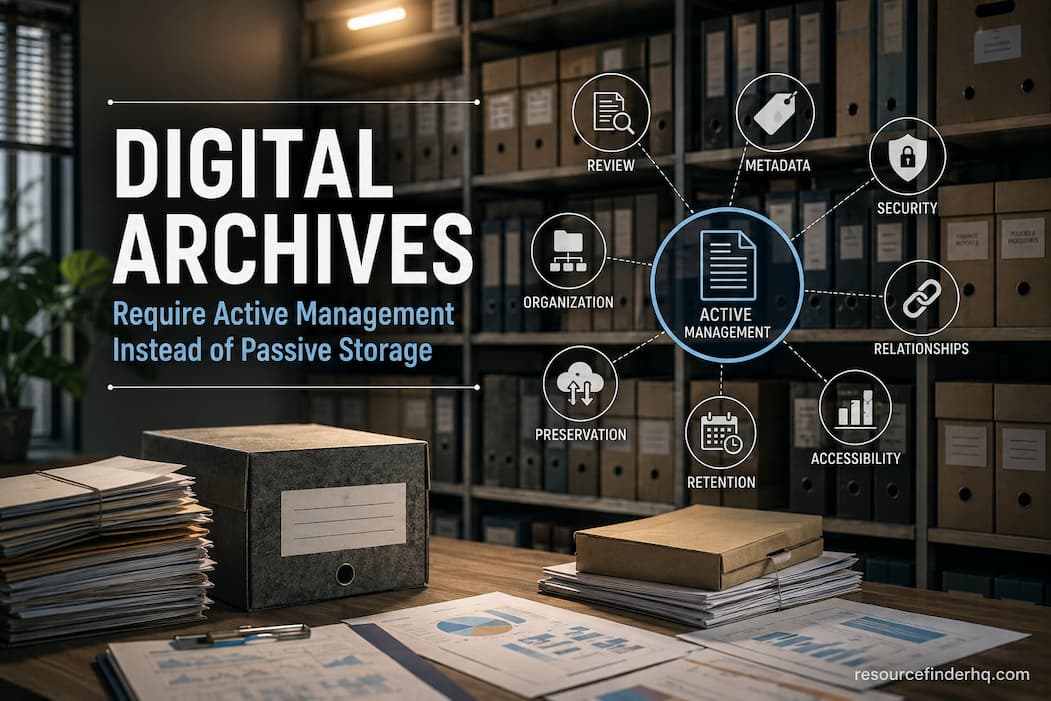
Digital Archives Require Active Management Instead of Passive Storage

The hard part is over if you save digital data. Storage devices keep getting bigger, cloud platforms add space in minutes, and backup systems automatically keep copies of important files. Due to their simplicity, digital archives may seem to self-manage. Often, the opposite is true. Larger archives take more care to stay accurate, searchable, secure, … Read more

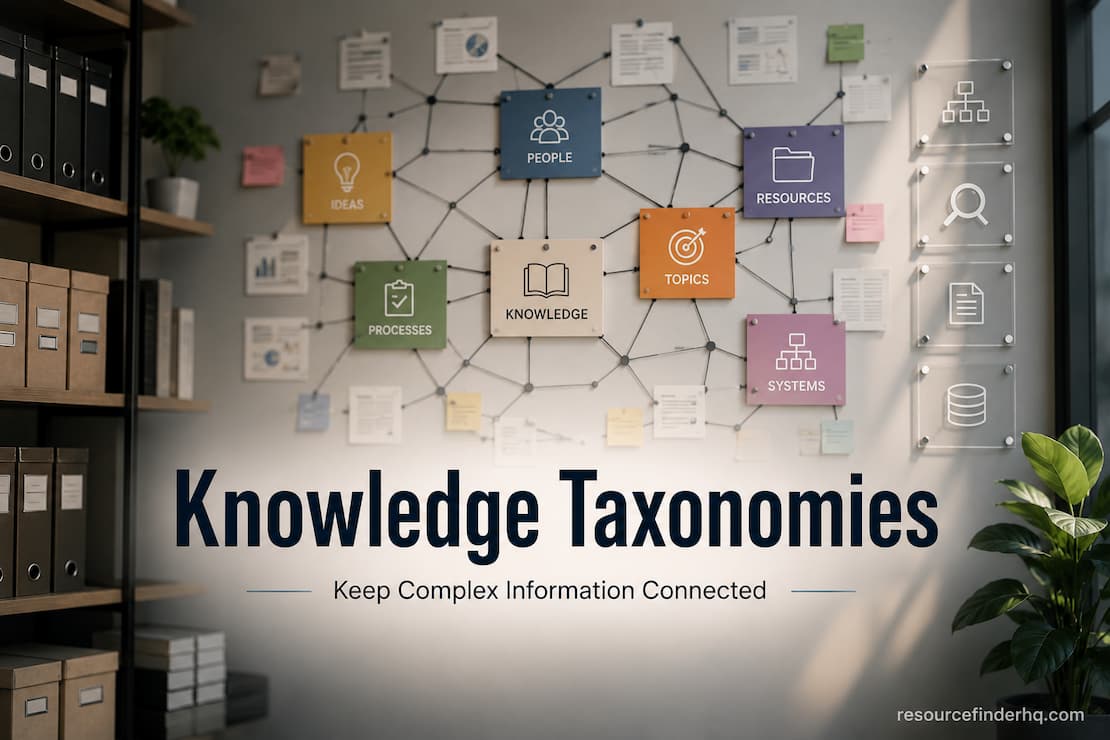
Knowledge Taxonomies Help Complex Information Stay Connected

Growing information does not automatically increase knowledge. Over time, organizations acquire reports, manuals, research papers, meeting notes, customer records, design materials, and policy files. Users often struggle to understand how each resource relates to others, even though each is valuable. Finding one document is useful, but understanding where it belongs in a bigger body of … Read more

Naming Conventions Scale Better Than Memory

If five people save the same project document, it likely results in five entirely different file names. Some use the project name, others the client name, still others the date, and some simply type ‘Final Version,’ even if multiple updated versions follow. Initially, these differences seem insignificant because everyone remembers what they saved. But months … Read more

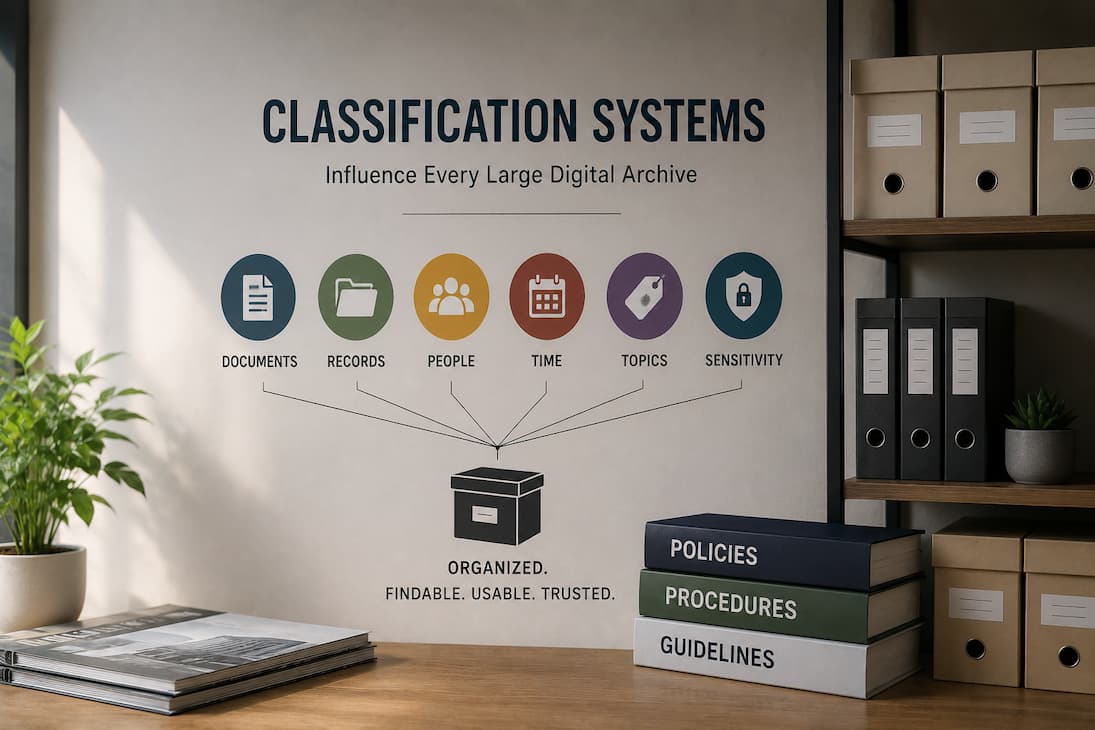
Classification Systems Influence Every Large Digital Archive

Searching through an old photo collection or a folder full of years of documents has shown the difference between storing and organizing information. When the collection is millions or billions of files, the issue gets even larger. Find important information without remembering filenames or browsing folders at that scale. Long before anyone searches for it, … Read more