How Data Retention Rules Determine When Business Records Should Be Deleted

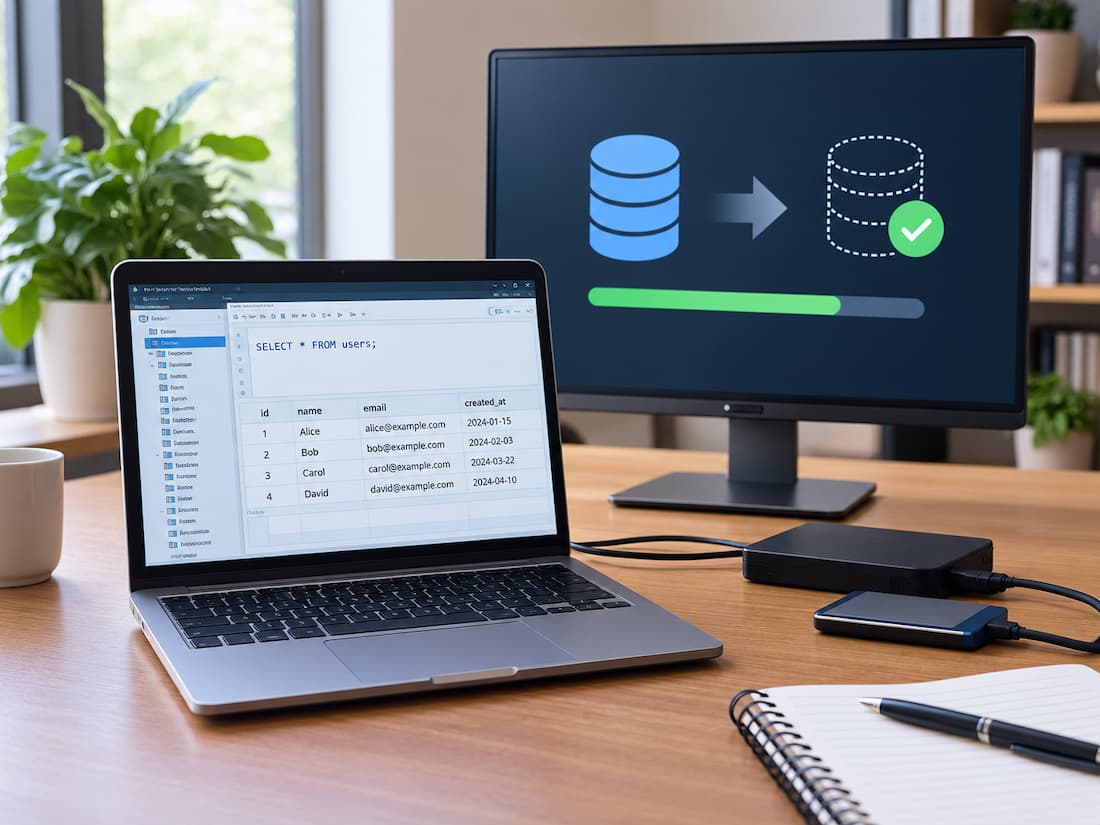
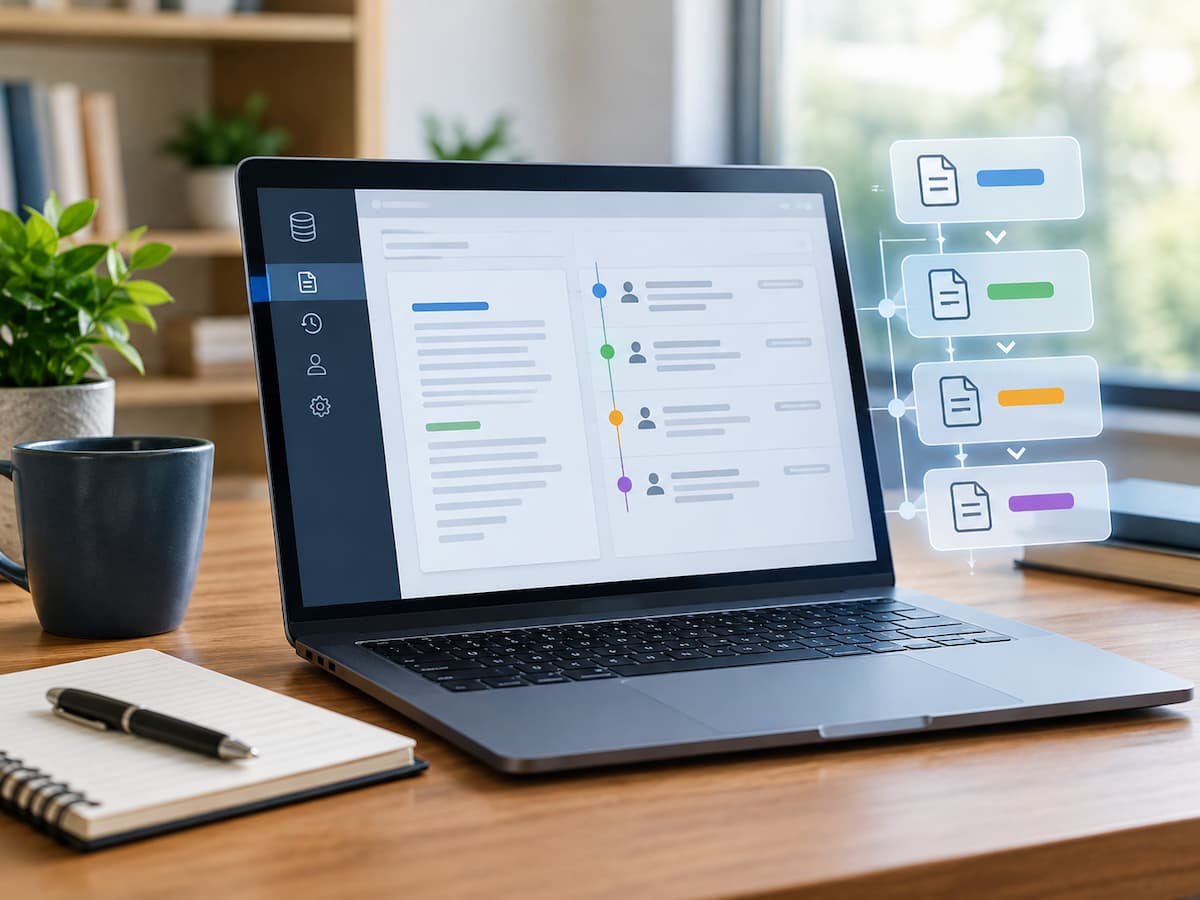
A business may keep customer invoices, signed contracts, support emails, and system logs for years without reviewing whether they still need them. At the same time, another department might delete an important record shortly after a project ends, only to discover that the information is needed for an audit, a customer dispute, or a financial … Read more

How Recurring Card Payments Handle Expired Cards and Updated Credentials

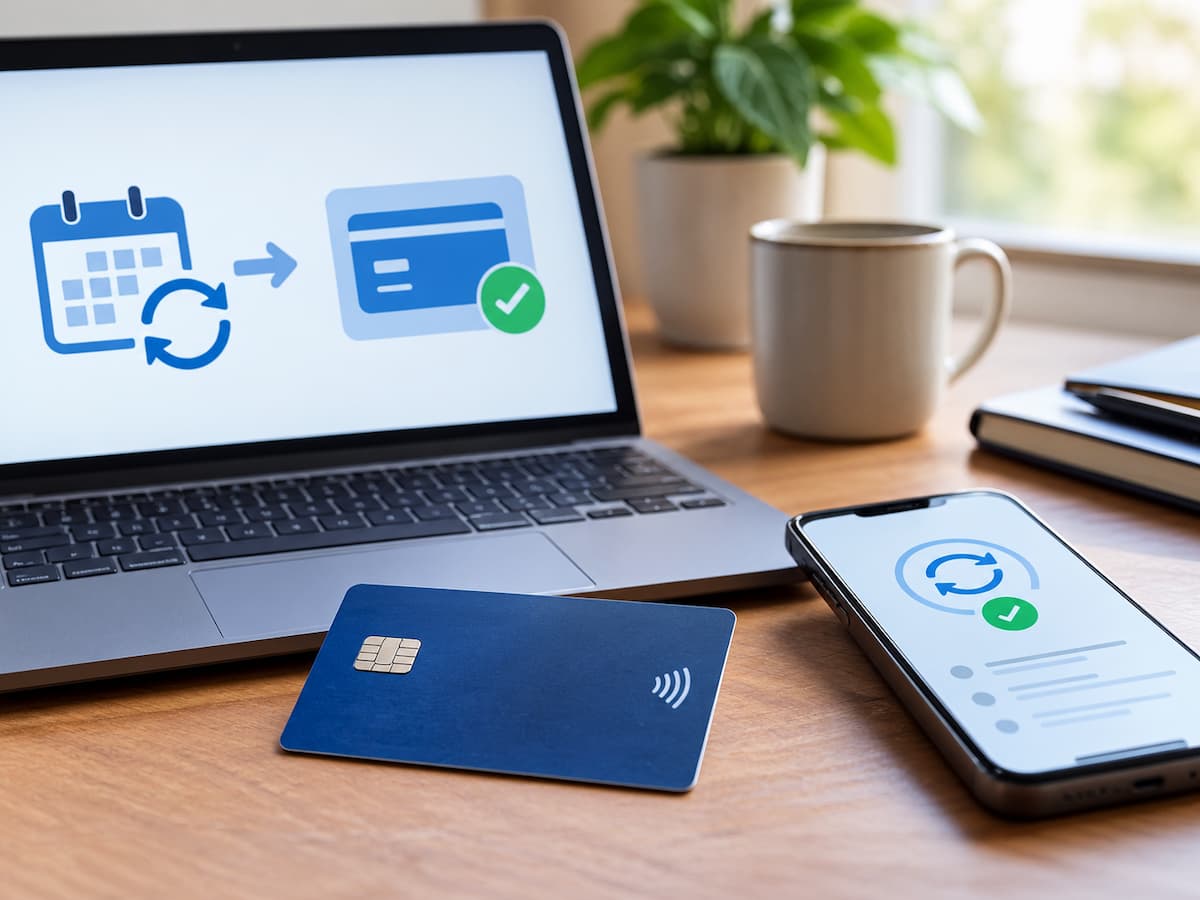
Imagine a customer subscribes to an online learning platform and pays monthly with a debit card. For several months, every renewal succeeds automatically. Then the card reaches its expiration date. The customer receives a replacement card from the bank but does not visit the subscription website to update the payment details. When the next renewal … Read more

How Email Authentication Standards Help Receiving Servers Evaluate Messages

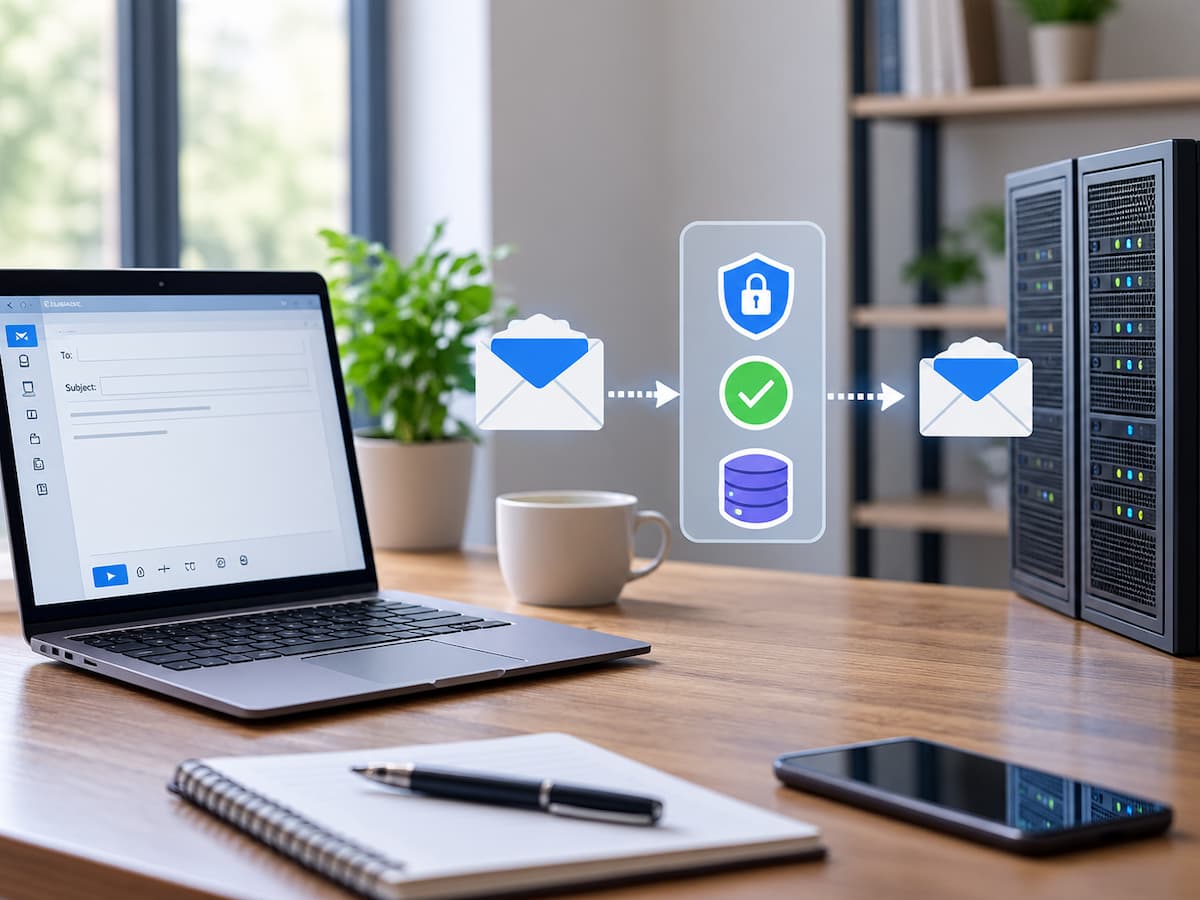
A business changes the service that sends its invoices, but the next batch of emails produces an unexpected problem. Some recipients receive the invoices normally, while others see warnings or find the messages in their spam folders. The new provider says its system is working, and the company’s email addresses have not changed. The problem … Read more

TLS Certificates Help Establish Trust During Secure Web Connections

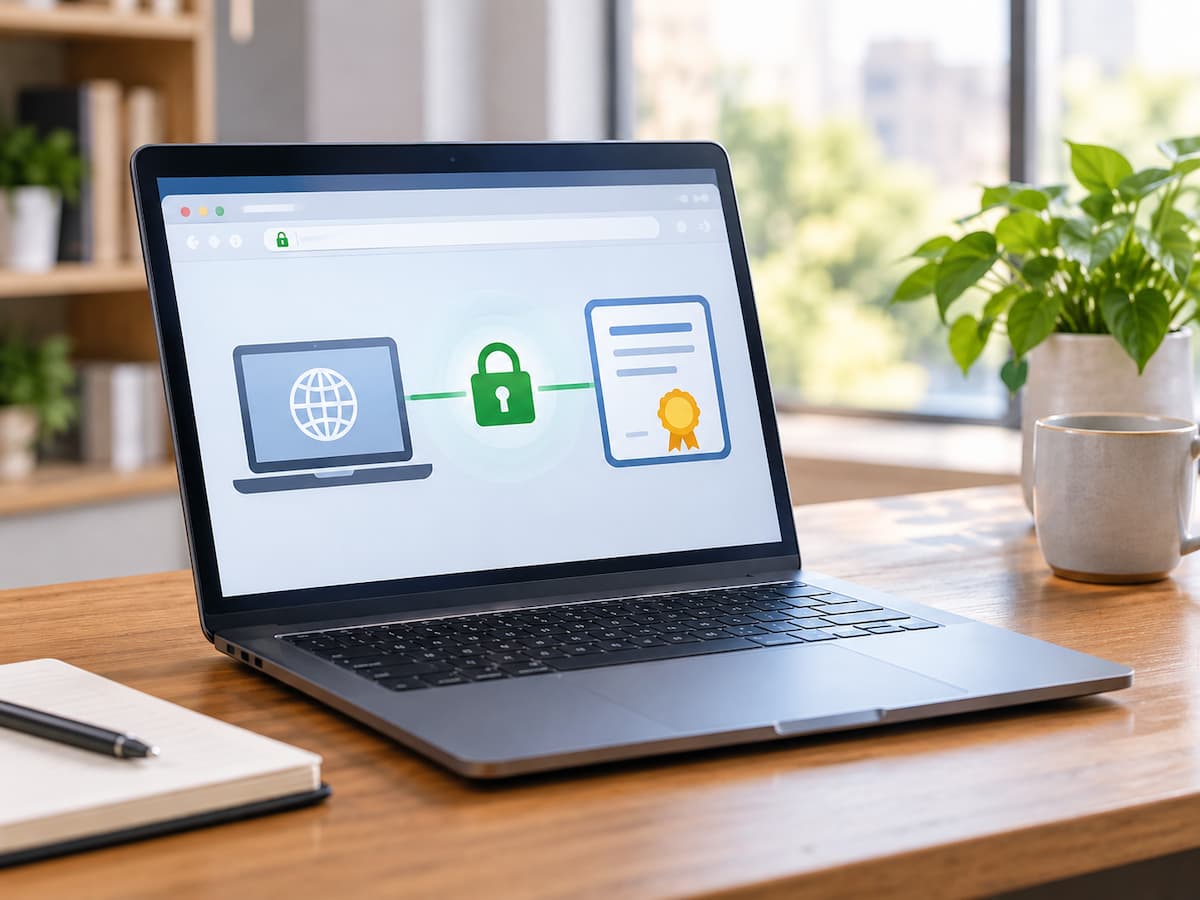
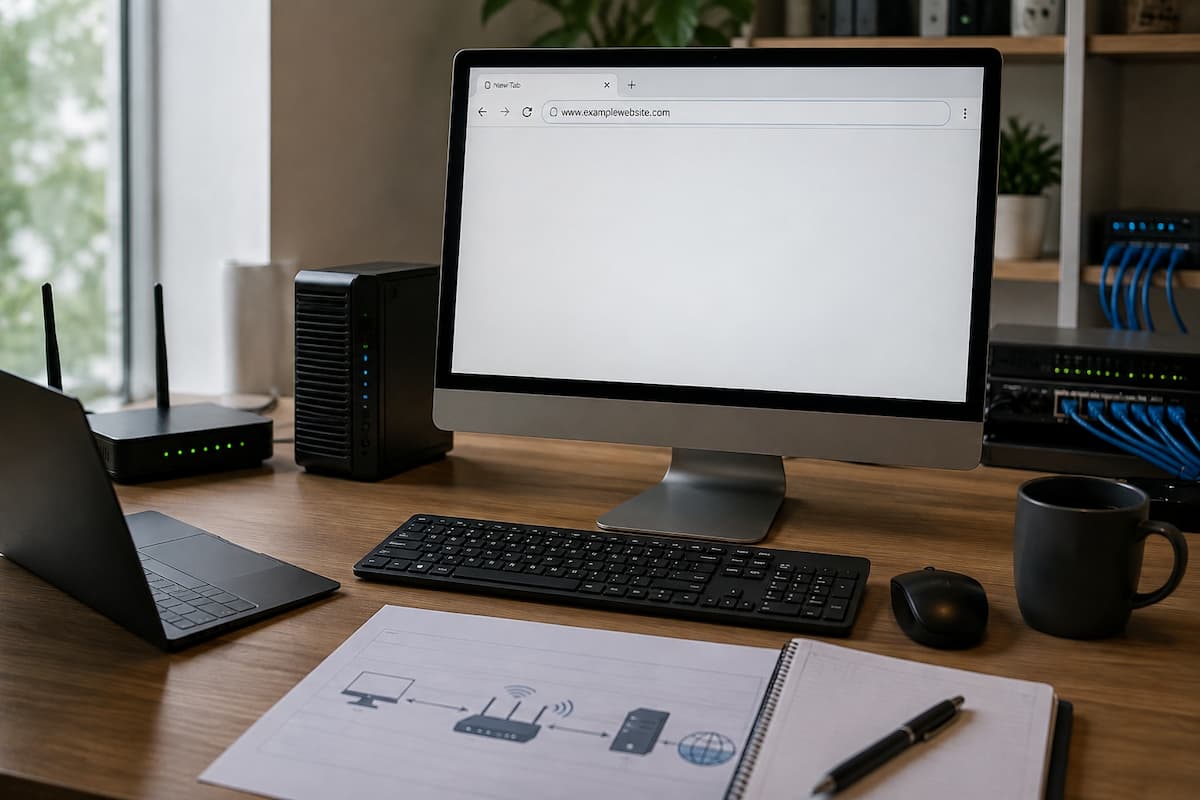
When you open a website using an address that begins with HTTPS, several things happen before the page becomes available. Your browser needs to establish a secure connection with the website’s server. It needs to negotiate cryptographic settings, establish keys for the connection, and determine whether the server can be trusted for the website address … Read more

Payment Reconciliation Helps Match Transactions With Recorded Funds

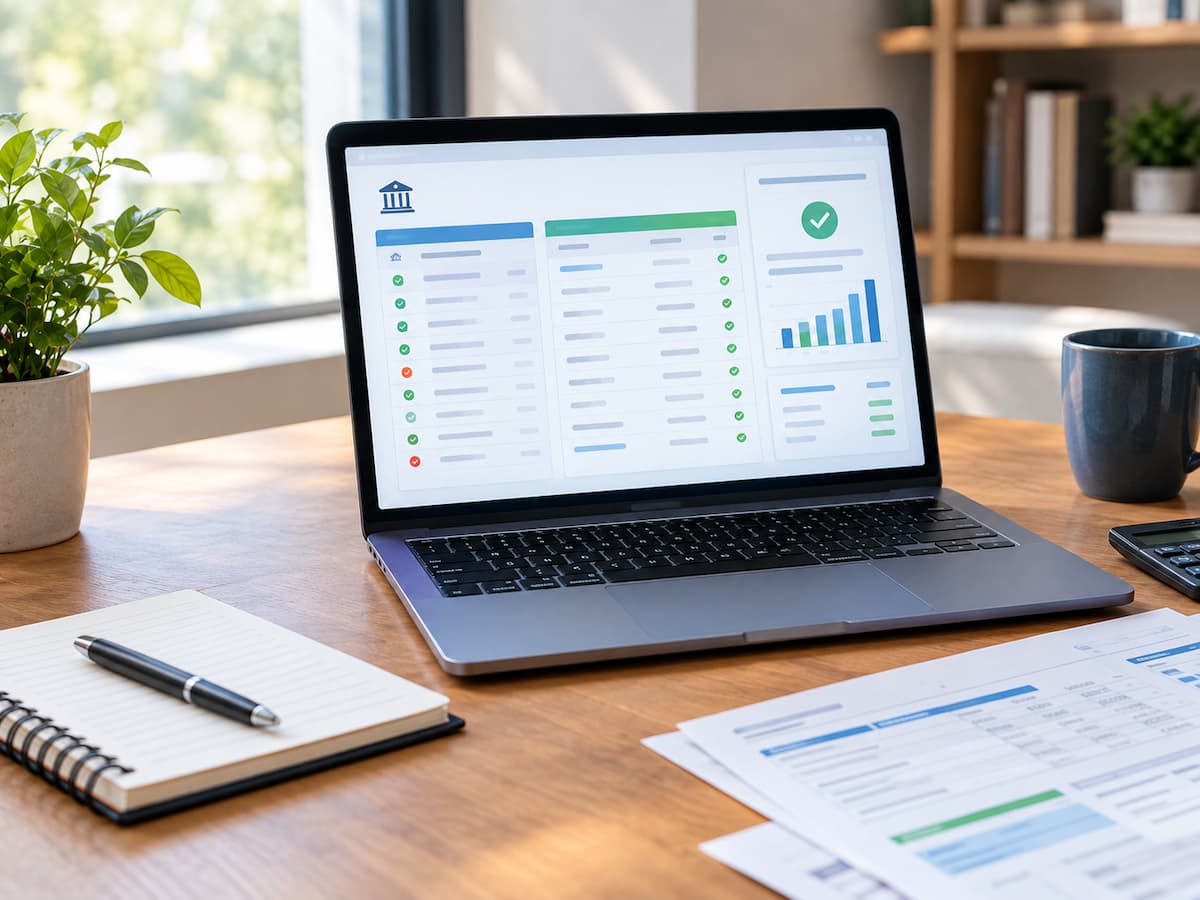
A payment can pass through several systems before it becomes part of a business’s financial records. A customer might pay through a card, bank transfer, digital wallet, or another payment method. The payment provider records the transaction. The business’s payment system records it too. Later, accounting software may contain another entry. Ideally, these records describe … Read more

Data Validation Keeps Information Systems From Filling With Bad Records

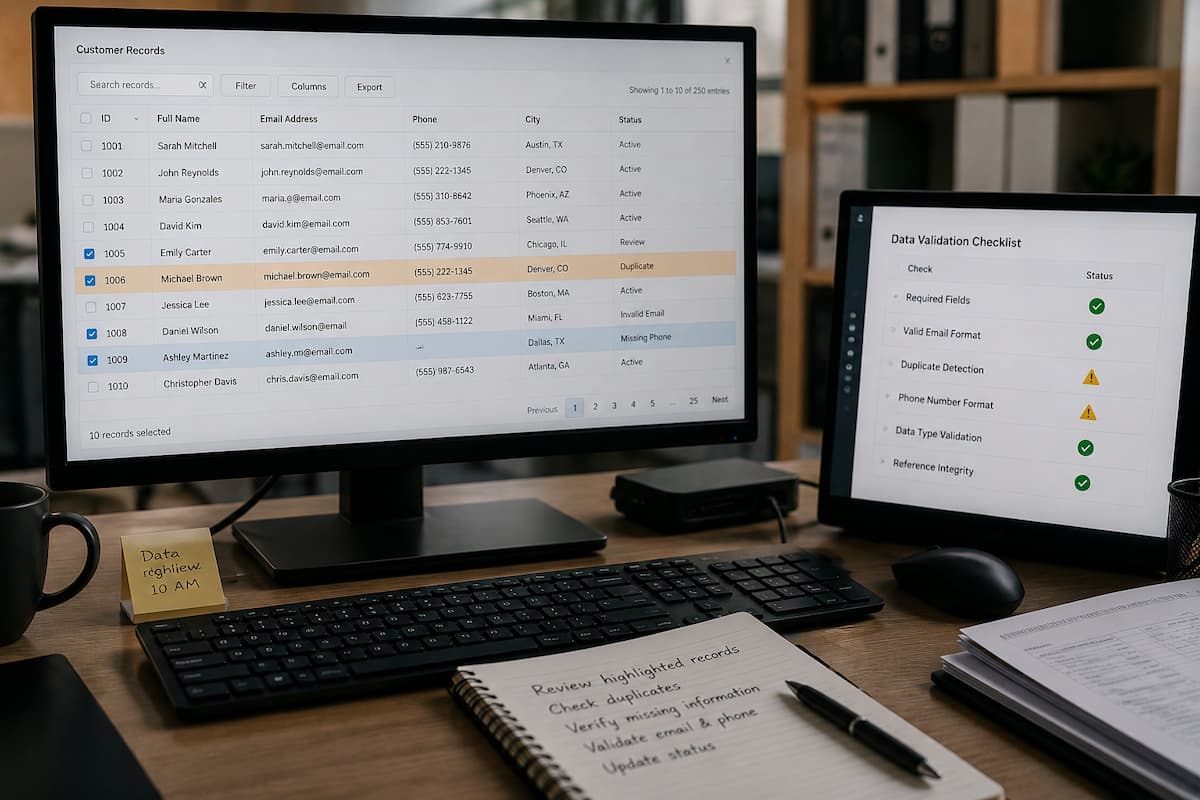
The quality of an information system depends on the quality of the information stored within it. Customer databases, inventory systems, employee portals, payment platforms, and reporting tools process thousands of records daily. However, if records contain missing values, incorrect numbers, duplicate identifiers, or inaccurate information, problems can quickly escalate. For instance, an inventory system might … Read more