How Recurring Card Payments Handle Expired Cards and Updated Credentials
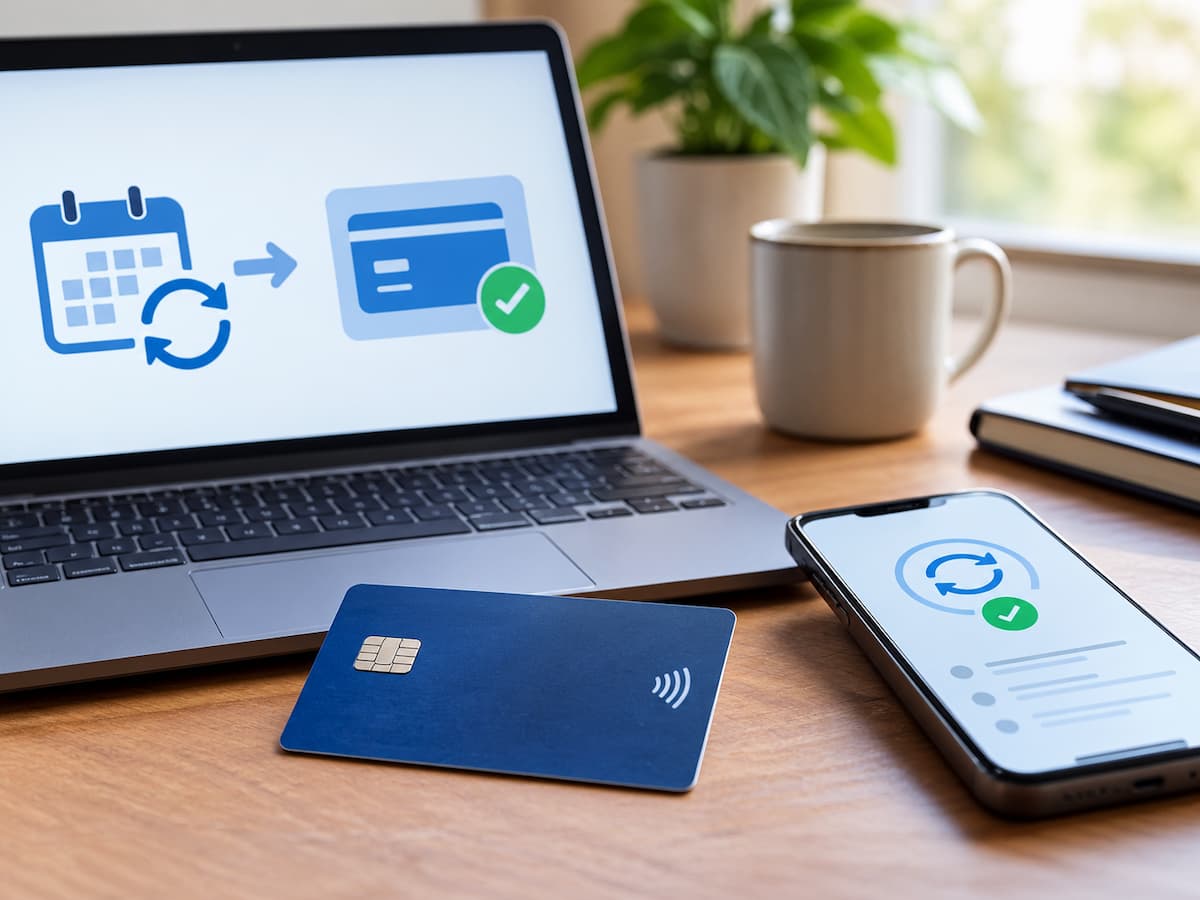
Imagine a customer subscribes to an online learning platform and pays monthly with a debit card. For several months, every renewal succeeds automatically. Then the card reaches its expiration date. The customer receives a replacement card from the bank but does not visit the subscription website to update the payment details. When the next renewal … Read more

Payment Reconciliation Helps Match Transactions With Recorded Funds

A payment can pass through several systems before it becomes part of a business’s financial records. A customer might pay through a card, bank transfer, digital wallet, or another payment method. The payment provider records the transaction. The business’s payment system records it too. Later, accounting software may contain another entry. Ideally, these records describe … Read more

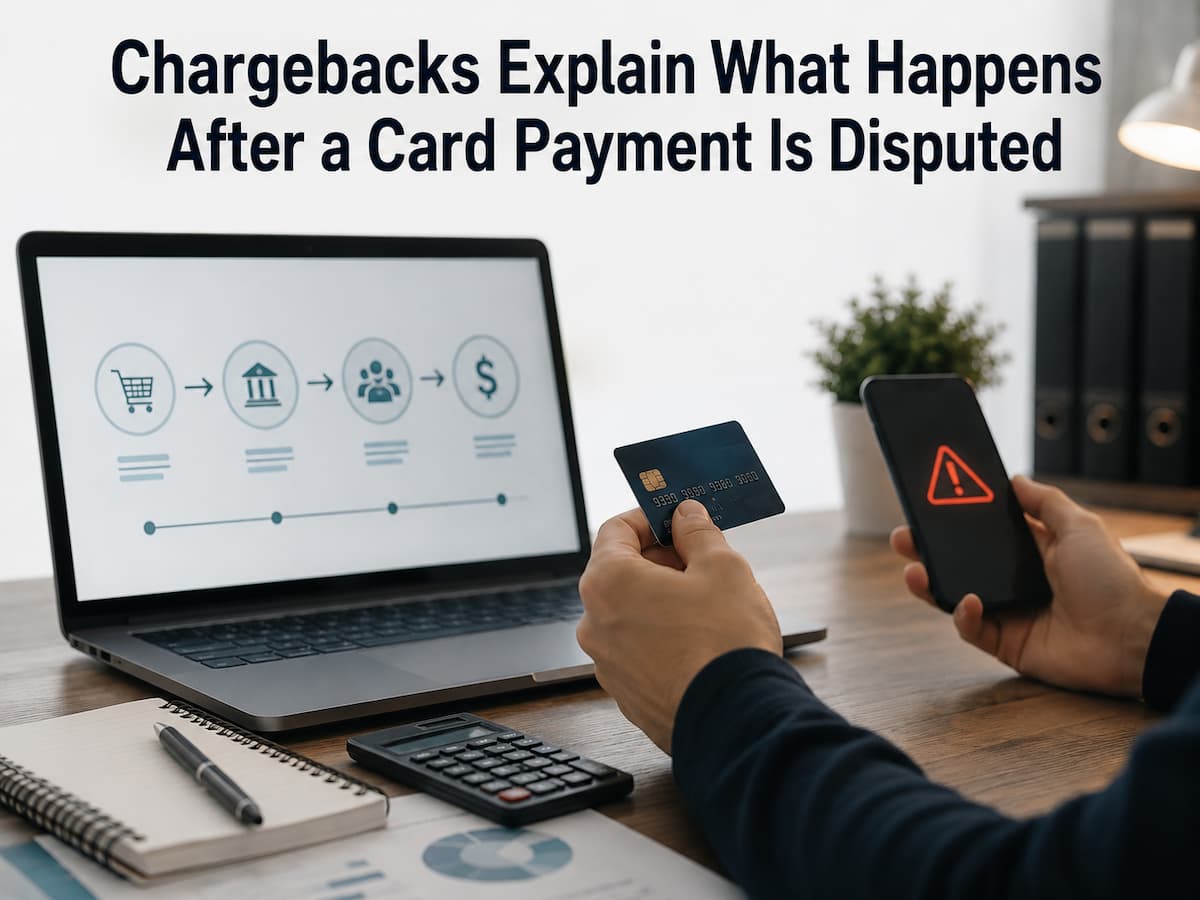
Chargebacks Explain What Happens After a Card Payment Is Disputed

Credit card payments may appear to have been processed, but transactions can still be subject to investigation. For example, customers might discover that payment failed, orders were never shipped, a charge was applied twice, or they suspect the merchant failed to deliver the purchased goods. In such cases, cardholders can contact their bank to request … Read more

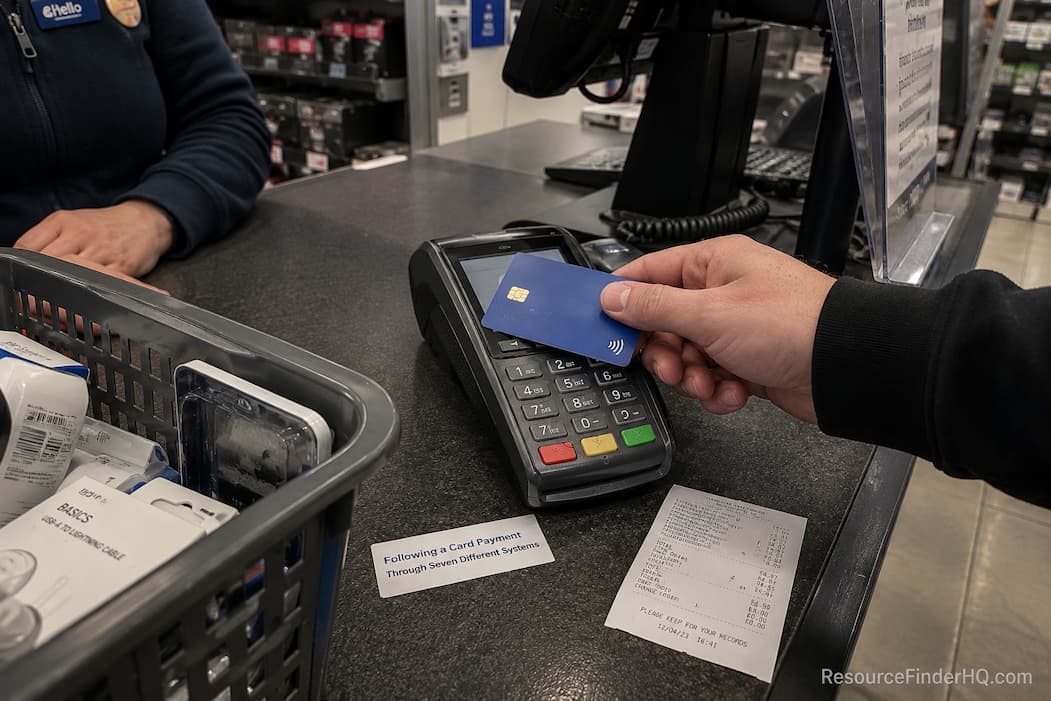
Following a Card Payment Through Seven Different Systems

Customers tap their debit card against the payment terminal, hear a confirmation tone, and leave with their receipt in less than two seconds. For most, the transaction ends there. But in reality, this is merely the first step in a long journey. Behind that simple tap or card insertion, countless independent systems exchange encrypted information, … Read more

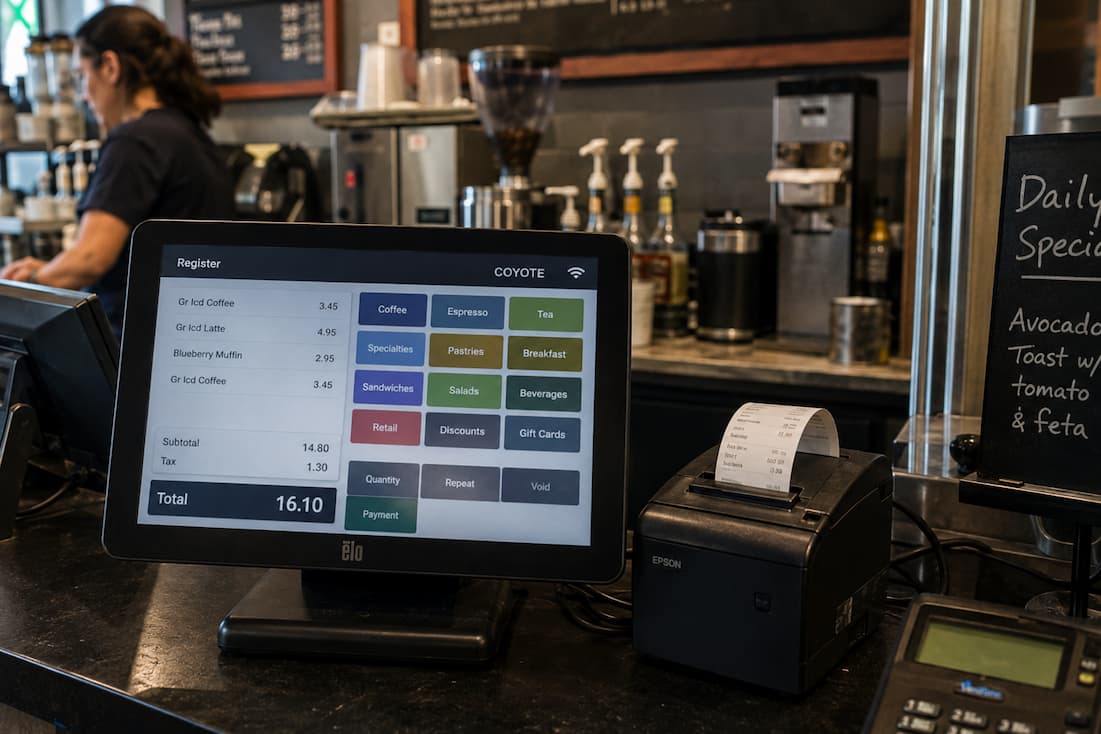
Point-of-Sale Systems Have Become Connected Financial Platforms

In the past, point-of-sale (POS) systems had an obvious function: calculating product prices, collecting payments, and printing receipts. Whether customers paid with cash or card, the system was typically just the final step in a retail transaction. Once the transaction was complete, it was no longer needed. Today’s POS systems are entirely different. Many retail … Read more

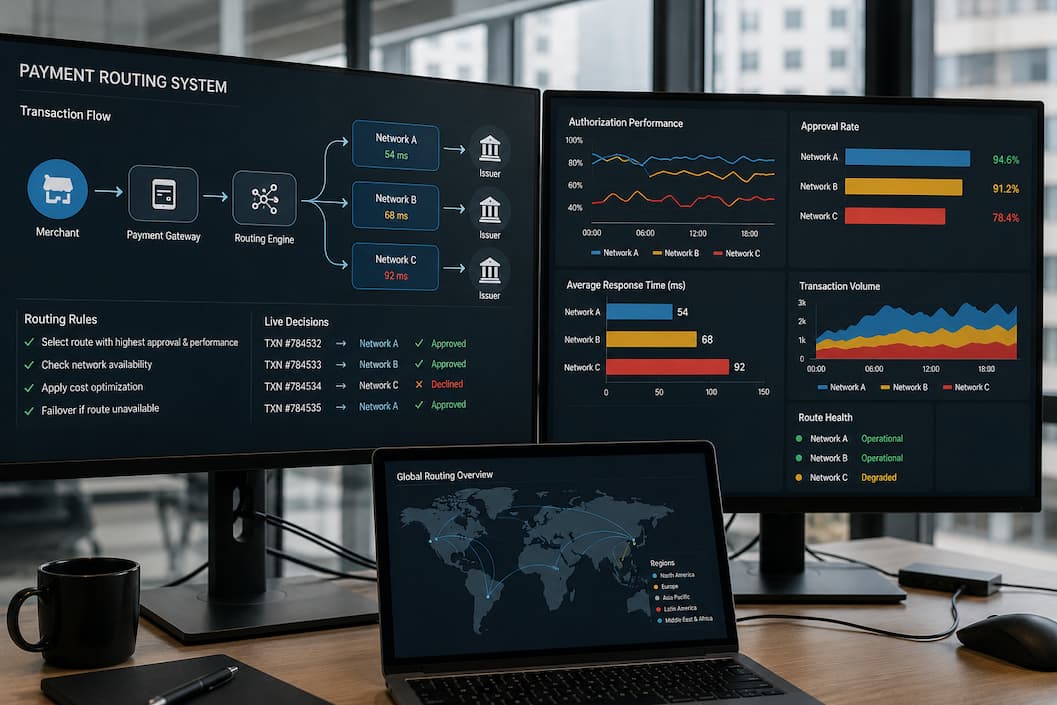
The Routing Decisions That Determine Where Every Digital Payment Goes

Most digital payments happen so quickly that we tend to assume they follow a fixed path from the merchant to the customer’s bank. In reality, however, payment systems rarely operate in a straight line. Authorization requests enter a network via various paths, and selecting the most suitable path is crucial for modern payment infrastructure. This … Read more

Fraud Detection Begins Before a Payment Ever Reaches the Bank

Online payment fraud is often viewed as a battle between criminals and banks. Criminals steal bank cards, transaction details are sent to the issuing bank, and a sophisticated fraud detection system decides whether to approve or reject the transaction. While this process does exist, it overlooks a crucial step. Many payment requests pass through multiple … Read more

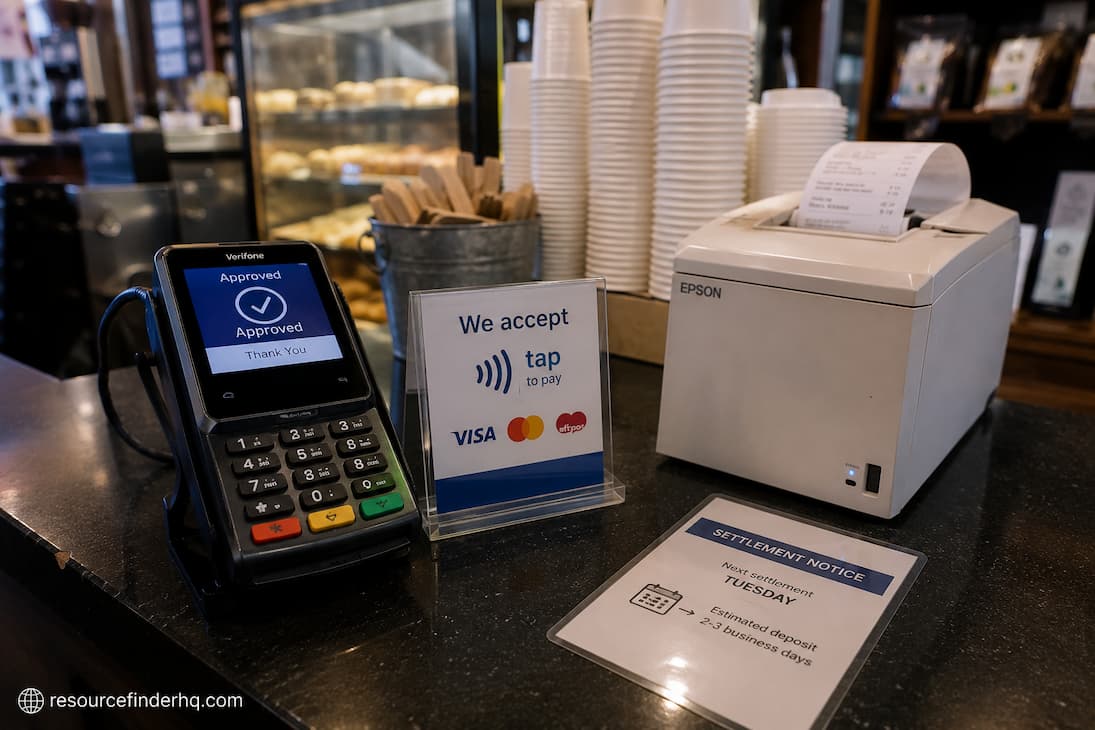
Merchant Settlement Cycles Shape When Businesses Actually Receive Money

After scanning their card, the buyer immediately receives a payment confirmation and leaves, assuming the transaction is complete. From the customer’s perspective, the transaction is finished: the bank has approved the payment, the merchant has finalized the sale, and the receipt shows that everything has gone smoothly. However, the funds have not yet actually been … Read more