File Format Standards Determine More Than Which App Opens a Document

When saving documents, people sometimes think that file extensions are merely labels that tell the computer which application to use. DOCX, PDF, and image files are opened in word processors, PDF readers, and image viewers, respectively. While this assumption is true, it is only part of the story. A file format determines whether it can … Read more


The Routing Decisions That Determine Where Every Digital Payment Goes

Most digital payments happen so quickly that we tend to assume they follow a fixed path from the merchant to the customer’s bank. In reality, however, payment systems rarely operate in a straight line. Authorization requests enter a network via various paths, and selecting the most suitable path is crucial for modern payment infrastructure. This … Read more

Cloud Storage Architecture Beyond “Files in the Cloud”

Many think of cloud storage when they hear the phrase “saved on the internet.” The concept can be introduced with that explanation; however, it doesn’t capture the design of modern cloud storage services. In most cases, data backups created by business applications, images synced from smartphones, or documents uploaded from laptops do not make the … Read more

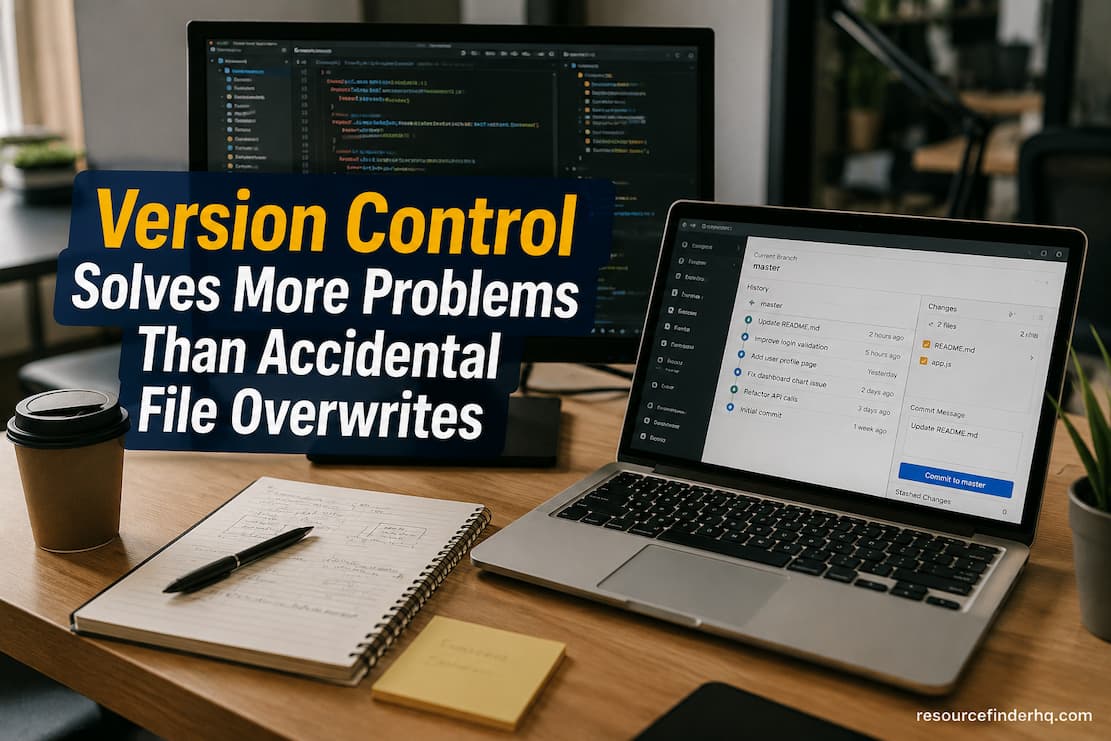
Version Control Solves More Problems Than Accidental File Overwrites

When you open almost any long-running project, you’ll quickly notice a pattern: there are often several files next to each other with names that are very similar. The words “Draft,” “Final,” “Final Revised,” “Final v2,” and “Final Latest” often mean weeks or months of work, but their names don’t really tell you which document you … Read more

QR Codes Combine Data Density With Error Recovery

QR codes may seem simple—just small squares with black and white patterns—but a simple scan can open web pages, display contact information, identify products, or connect to digital services. This phenomenon is not only because QR codes can store a lot of information in a limited space. Moreover, QR codes are designed to remain readable … Read more

Fraud Detection Begins Before a Payment Ever Reaches the Bank

Online payment fraud is often viewed as a battle between criminals and banks. Criminals steal bank cards, transaction details are sent to the issuing bank, and a sophisticated fraud detection system decides whether to approve or reject the transaction. While this process does exist, it overlooks a crucial step. Many payment requests pass through multiple … Read more

Digital Archives Require Active Management Instead of Passive Storage

The hard part is over if you save digital data. Storage devices keep getting bigger, cloud platforms add space in minutes, and backup systems automatically keep copies of important files. Due to their simplicity, digital archives may seem to self-manage. Often, the opposite is true. Larger archives take more care to stay accurate, searchable, secure, … Read more

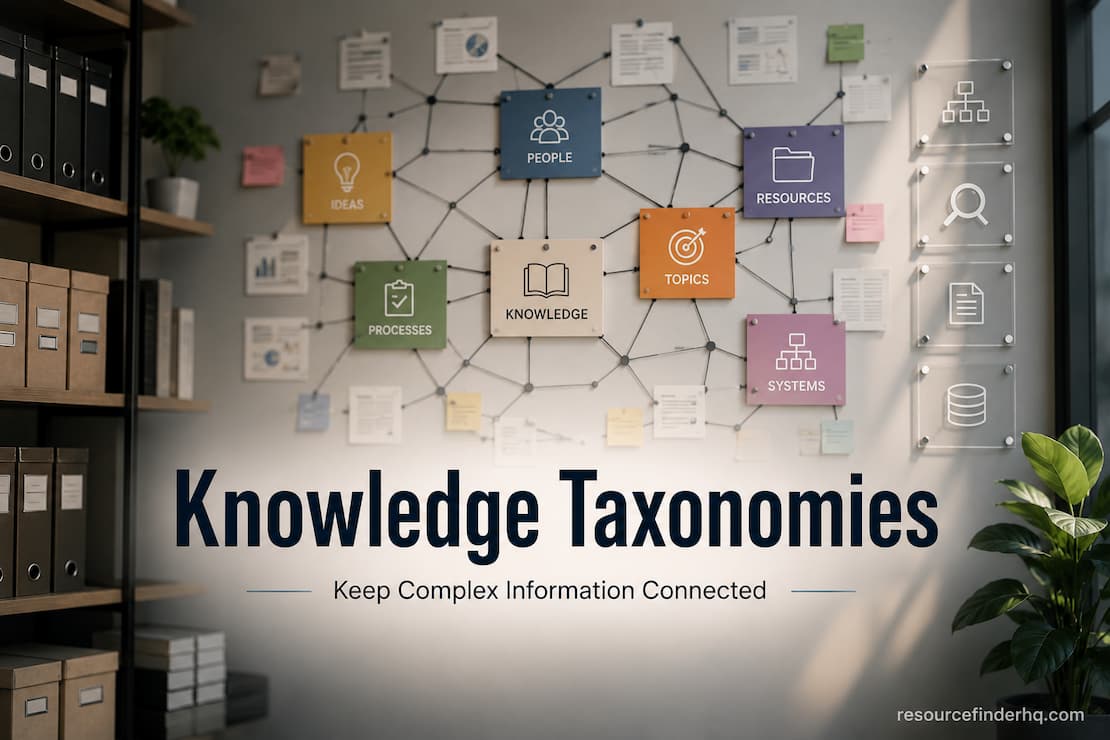
Knowledge Taxonomies Help Complex Information Stay Connected

Growing information does not automatically increase knowledge. Over time, organizations acquire reports, manuals, research papers, meeting notes, customer records, design materials, and policy files. Users often struggle to understand how each resource relates to others, even though each is valuable. Finding one document is useful, but understanding where it belongs in a bigger body of … Read more

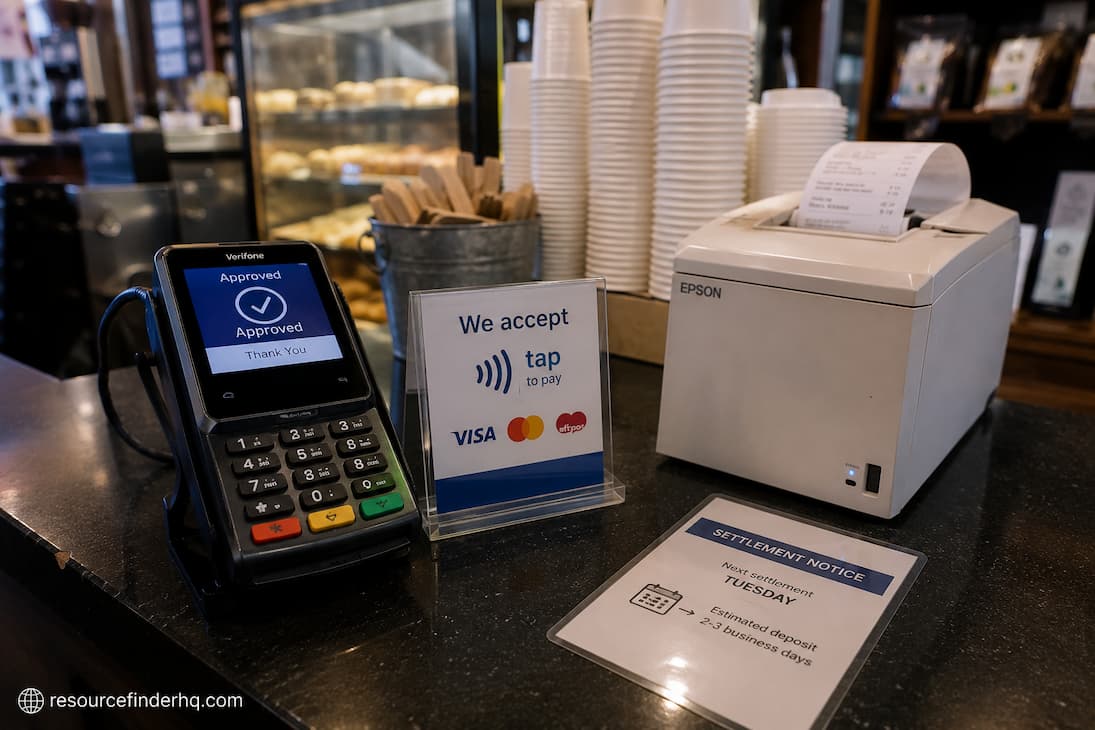
Merchant Settlement Cycles Shape When Businesses Actually Receive Money

After scanning their card, the buyer immediately receives a payment confirmation and leaves, assuming the transaction is complete. From the customer’s perspective, the transaction is finished: the bank has approved the payment, the merchant has finalized the sale, and the receipt shows that everything has gone smoothly. However, the funds have not yet actually been … Read more